Ever read a message like I smelt smoke in the kitchen and paused for a second? You’re not alone.
Many people search smelt meaning because the word can be confusing. Is it a typo? Old-fashioned grammar? A fish? Or something else entirely?
The truth: smelt is one of those rare English words with multiple meanings depending on context.
It appears in everyday conversation, online messages, cooking menus, grammar discussions, and even industrial terms.
Knowing what smelt meaning is can save you from misunderstandings especially in texts, schoolwork, or international conversations where British and American English differ.
In this updated 2026 guide, you’ll learn the full definition of smelt, where it came from, how people use it today, common mistakes, texting examples, and related slang or grammar alternatives.
What Does “Smelt” Mean?
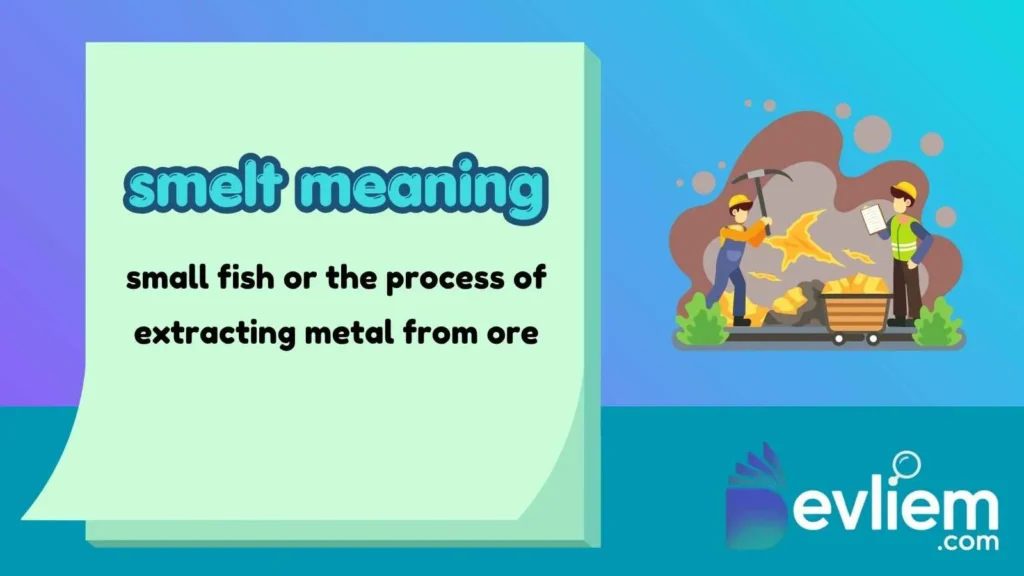
Quick Answer: Smelt meaning most commonly refers to the past tense of “smell,” but it can also mean a small fish or the process of extracting metal from ore.
1. Smelt as Past Tense of Smell
In British English and older forms of English, smelt means noticed a smell.
Example:
- I smelt fresh bread this morning.
In American English, smelled is more common.
2. Smelt as a Fish
Smelt is also the name of a small silvery fish found in cold waters and often eaten fried.
Example:
- We ordered crispy smelt at the seafood restaurant.
3. Smelt in Industry
To smelt means extract metal from ore using heat.
Example:
- Ancient workers smelted iron in furnaces.
Origin of the Word
The grammar version comes from historical English verb forms. The industrial version comes through Germanic language roots tied to melting and refining.
Pronunciation
Smelt = /smelt/
Rhymes with belt or felt.
How to Use “Smelt” Correctly in Texts & Chat
Casual Use
Online, many people type smelt instead of smelled casually.
Example:
- I smelt coffee and instantly woke up.
This feels conversational and natural in UK audiences.
Platform-Specific Usage
SMS / WhatsApp
Fast and informal.
- I smelt gas, check the stove.
Instagram DMs
Can be playful or dramatic.
- Bro I smelt your perfume before I saw you 😂
X / Twitter
Used humorously or regionally.
- Just smelt rain. Elite feeling.
Discord / Gaming
Usually used in jokes.
- I smelt fear when boss spawned.
Often appears in grammar debates or regional usage threads.
When NOT to Use It
Avoid smelt in formal American business writing unless you mean the fish or metal process.
Use smelled in resumes, reports, academic papers, or formal emails.
Formatting Tips
- Lowercase in casual text: smelt
- Caps for drama: I SMELT IT
- Emoji pairings: 😂🔥👀🤢
Real Conversation Examples Using “Smelt”
Between Friends
Alex: Did you burn toast?
Sam: Nope, I smelt it too though.
Meaning: Shared confusion and humor.
Dating Chat
Mia: You wearing that cologne again?
Jay: How’d you know?
Mia: I smelt it instantly 😏
Meaning: Flirty recognition.
Family Group Chat
Mom: Who left food out?
Dad: I smelt something weird earlier.
Meaning: Mild concern.
Work Chat
Lena: Anyone notice smoke?
Tom: Yeah, I smelt it near the printer.
Meaning: Practical warning.
Gaming Voice Chat
Player 1: Why’d they run?
Player 2: They smelt defeat.
Meaning: Dramatic joke.
Common Mistakes & Misunderstandings
1. Thinking It’s Always Wrong
Many assume smelt is incorrect. Not true. It is accepted in several English varieties.
2. Confusing Fish vs Grammar
- “We ate smelt” = fish
- “I smelt smoke” = noticed smell
Context matters.
3. Mixing With Smelting
- Smelt = past tense or fish
- Smelted = refined metal
Generational Confusion
Older speakers may accept smelt naturally. Younger internet users may think it’s slang or typo.
Regional Differences
- UK, Australia, NZ: smelt more common
- US: smelled more common
How to Clarify
If someone looks confused, rewrite simply:
- I smelled smoke earlier.
“Smelt” Across Different Platforms & Demographics
Gen Z
Often uses smelt ironically or dramatically.
- I smelt drama before opening the chat.
Millennials
Use depends on region. Some use it naturally, others prefer smelled.
Older Generations
More likely to see it as normal grammar.
TikTok Comments
Appears in jokes, memes, and exaggerated storytelling.
Instagram Captions
Rare, but used humorously.
Discord Servers
Common in gaming banter.
Is It Formal?
No. Usually informal in modern digital communication.
Safe for Work?
Yes. Completely safe word in normal contexts.
Related Slang, Abbreviations & Alternatives
| Term | Meaning |
|---|---|
| Smelled | Standard modern past tense of smell |
| Sniffed | Took a short smell intentionally |
| Reeked | Smelled strongly, often badly |
| Aroma | Pleasant smell |
| Odor | General smell |
| Funky | Weird smell or vibe |
| Musty | Old stale smell |
| Scented | Having a fragrance |
| Whiff | Light brief smell |
| Nose knew | Playful phrase for noticing smell |
Internal link opportunities:
- Learn more about LOL meaning
- Learn more about IMO meaning
- Learn more about sus meaning
FAQs:
Is smelt correct grammar?
Yes. It is a valid past tense form of smell, especially in British English.
What does smelt mean in texting?
Usually it means smelled. Some people use it casually or humorously.
Is smelt older English?
Yes, it sounds more traditional in some regions and older language styles.
What is smelt fish?
Smelt is also a small edible fish commonly fried or served whole.
Should I use smelt or smelled?
Use smelled for standard American formal writing. Use smelt if it suits your dialect or audience.
Conclusion:
Smelt meaning depends entirely on context. It can mean the past tense of smell, a small fish, or metal extraction. That’s a busy little word.
In texting and online chat, smelt often appears casually, humorously, or regionally. In grammar, it remains fully valid in many English speaking places.
Next time you see smelt meaning in a sentence, you’ll know exactly what’s going on. Drop your favorite unusual English word in the comments below!

Hi, I’m Emily Taylor, the voice behind Devliem.com, where meanings aren’t just explained, they’re made easy to understand.
I’ve always been fascinated by words, the way they change, evolve, and sometimes confuse us more than they should. That curiosity turned into a mission: to break down complex meanings, trending slang, and everyday expressions into something clear, simple, and actually useful.