Ever heard someone describe themselves as a total foodie but with extra flair? That’s where the word ‘gourmand’, meaning, becomes useful.
If you’ve seen it in restaurant reviews, perfume descriptions, fashion bios, or even dating profiles, you’re not alone. This once-classic French word is having a modern comeback.
Today, people use ‘gourmand’ to describe someone who deeply loves food, flavour, and indulgent eating experiences.
Think dessert-first energy Think menu reading as a hobby Think, “I traveled just for the pastries
Knowing what gourmand means matters in 2026 because the word now appears everywhere from TikTok food content to fragrance communities and lifestyle branding.
In this guide, you’ll learn the exact definition, origin, pronunciation, how to use it naturally, common mistakes people make, and how it differs from ‘gourmet’. Updated for 2026.
What Does ‘Gourmand’ Mean?
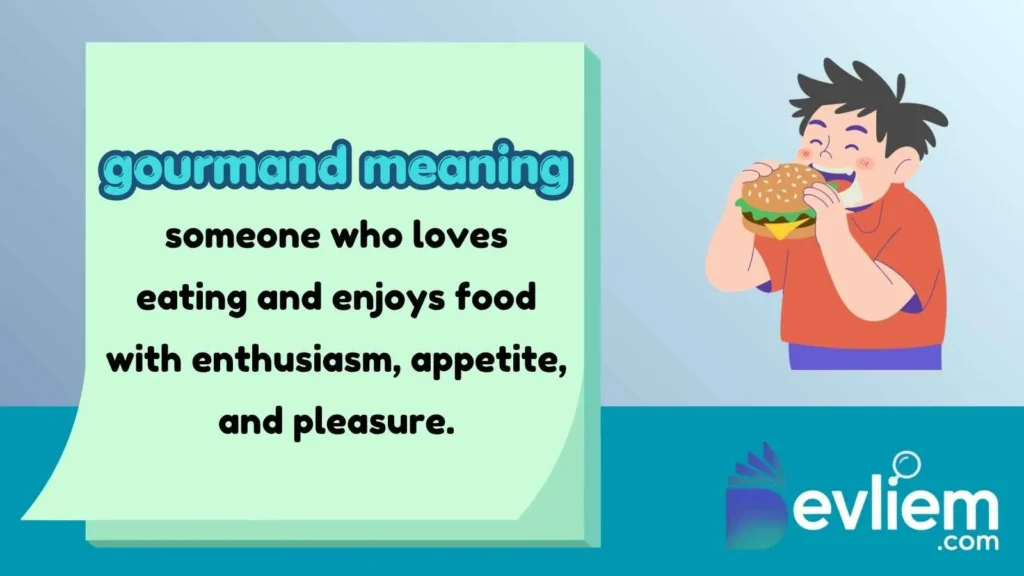
Quick Answer: A gourmand is someone who loves eating and enjoys food with enthusiasm, appetite, and pleasure.
The word comes from French, where gourmand originally referred to a gluttonous eater or someone overly fond of food. Over time, English softened the tone. Today, it often sounds stylish, playful, and complimentary.
Modern usage usually means the following:
- Food lover
- Passionate eater
- Person who seeks rich flavors
- Someone excited by meals, desserts, or culinary experiences
Pronunciation Guide
gor-MAHND
(soft “gor” + stress on the second syllable)
How Meaning Has Evolved
Then: Someone greedy with food.
Now: Someone delightfully obsessed with food.
That’s a glow-up.
How to Use “Gourmand” Correctly in Texts & Chat
You’ll usually use gourmand as a noun or adjective.
As a Noun
- She’s a true gourmand.
- My brother is a gourmand who plans vacations around restaurants.
As an Adjective
- A gourmand lifestyle
- Gourmand desserts
- Gourmand habits
Best Contexts
Use it in:
- Casual chats
- Food blogs
- Restaurant captions
- Dating bios
- Lifestyle writing
- Fragrance communities
Avoid in Formal Work Emails:
Probably skip:
“Dear team, I am a gourmand and need lunch now.”
Bold move. Not recommended.
Platform-Specific Usage
WhatsApp / SMS
“Come hungry. You know I’m a gourmand.”
Instagram
“Weekend plans: pastries + espresso. #gourmand”
X / Twitter
“Being a gourmand in this economy is a challenge.”
Discord / Reddit
“Any gourmands here with ramen recommendations?”
Formatting Tips
- Lowercase is standard: gourmand
- No acronym needed
- Pairs well with 🍰, 🍜, 🍷, 🍕 emojis
Real Conversation Examples Using “Gourmand”
Between Friends
A: Want to split one dessert?
B: Split? You forget I’m a gourmand.
Meaning: Playful way to say they love food and want more.
Dating Chat
A: What’s your love language?
B: Feeding people. I’m a gourmand.
Meaning: Food-centred personality, warm and fun.
Family Group Chat
Mom: Who ate the leftover pie?
Dad: Ask the household gourmand.
Meaning: Teasing someone with a big appetite.
Work Chat
Coworker: Team lunch suggestions?
You: Ask Mia. She’s our office gourmand.
Meaning: Trusted food expert in the group.
Gaming Chat
Player 1: Why AFK?
Player 2: Snacks. The gourmand must refuel.
Meaning: Humorous self-description.
Common Mistakes & Misunderstandings
1. Confusing Gourmand with Gourmet
This is the biggest mistake.
Gourmand: Loves eating a lot or passionately.
Gourmet: Has refined taste and knowledge.
Someone can be both. Lucky them.
2. Thinking It Always Means Greedy
Historically, yes. Modern English? Usually no.
Today it often sounds charming or sophisticated.
3. Mispronouncing It
Common wrong versions:
- GORE-mand
- GUR-mond
- GOR-man
Best version: gor-MAHND
Generational Differences
Older generations may hear “glutton”.
Younger users often hear “foodie with style”.
How to Clarify If Someone Doesn’t Understand
Say:
“It means I really love food.”
Simple and effective.
“Gourmand” Across Different Platforms & Demographics
Gen Z
Often uses it ironically or aesthetically.
Example: “I’m in my gourmand era.”
Millennials
Uses it in foodie culture, travel, brunch posts, and wine talk.
Older Generations
More likely to know the traditional literary meaning.
Where It Appears Most
- TikTok food creators
- Instagram bios
- Recipe blogs
- Perfume communities
- Restaurant reviews
Safe for Work?
Yes, generally safe and neutral. Just context matters.
Special Note: Gourmand in Perfume
A major 2026 use of the word appears in fragrance.
A gourmand perfume smells edible or dessert-like.
Common notes:
- Vanilla
- Chocolate
- Caramel
- Coffee
- Marshmallow
- Honey
So if someone says “I love gourmand scents”, they may mean perfume—not pasta.
Related Slang, Abbreviations & Alternatives
| Word | Meaning |
|---|---|
| Foodie | Someone who loves food culture |
| Gourmet | Refined taste in food |
| Epicure | Person devoted to pleasure and fine food |
| Glutton | Eats excessively |
| Snack lover | Casual playful term |
| Brunch drug | Loves brunch culture |
| Dessert person | Prefers sweets |
| Culinary fan | Loves cooking/food arts |
| Taste explorer | Loves trying new foods |
| Flavor hunter | Chases bold tastes |
Synonyms in Casual Language
- Food lover
- Big eater
- Food fanatic
- Menu nerd
Opposites
- Picky eater
- Minimal eater
- Indifferent about food
FAQs:
What is the exact ‘gourmand’ meaning?
A gourmand is someone who greatly enjoys eating and has a strong love for food. It often suggests enthusiasm rather than refined expertise.
Is ‘gourmand’ an insult?
Usually no. In modern English, it’s often flattering or playful. Historically, it could imply overindulgence.
Gourmand vs gourmet: what’s the difference?
A gourmand loves consuming food. A gourmet is associated with fine taste, knowledge, and quality standards.
Can I call myself a gourmand?
Absolutely. If you love meals, desserts, food trips, and trying restaurants, it fits.
What does ‘gourmand’ mean in perfume?
It describes fragrances with sweet edible notes like vanilla, caramel, coffee, and chocolate.
Conclusion:
The modern gourmand meaning is simple: someone who truly loves food and enjoys eating with enthusiasm.
It’s stylish, fun, and far more flattering today than in the past. Whether you use it in conversation, bios, reviews, or fragrance talk, it signals pleasure and passion.
So… are you a gourmand too? Drop your favourite food obsession in the comments below.

Hi, I’m Emily Taylor, the voice behind Devliem.com, where meanings aren’t just explained, they’re made easy to understand.
I’ve always been fascinated by words, the way they change, evolve, and sometimes confuse us more than they should. That curiosity turned into a mission: to break down complex meanings, trending slang, and everyday expressions into something clear, simple, and actually useful.