You’ve probably heard someone say Watch your expletives during an argument, gaming session, or chaotic group chat.
But what exactly does that word mean?
The term expletive meaning has become more relevant than ever in the age of memes, livestreams, TikTok rants, and unfiltered online reactions.
Whether someone drops an angry swear word after losing a match or uses colorful language for comedic effect, expletives are now part of everyday internet culture.
Still, many people confuse expletives with general slang, insults, or profanity. They’re related — but not always the same thing.
In this updated 2026 guide, you’ll learn the real definition of expletive, where the term came from, how people use it in texts and social media, and the biggest mistakes people make when using it online.
You’ll also see real chat examples, platform specific meanings, and related internet slang terms that pop up everywhere from Discord to Instagram comments.
What Does “Expletive” Mean?
Quick Answer:
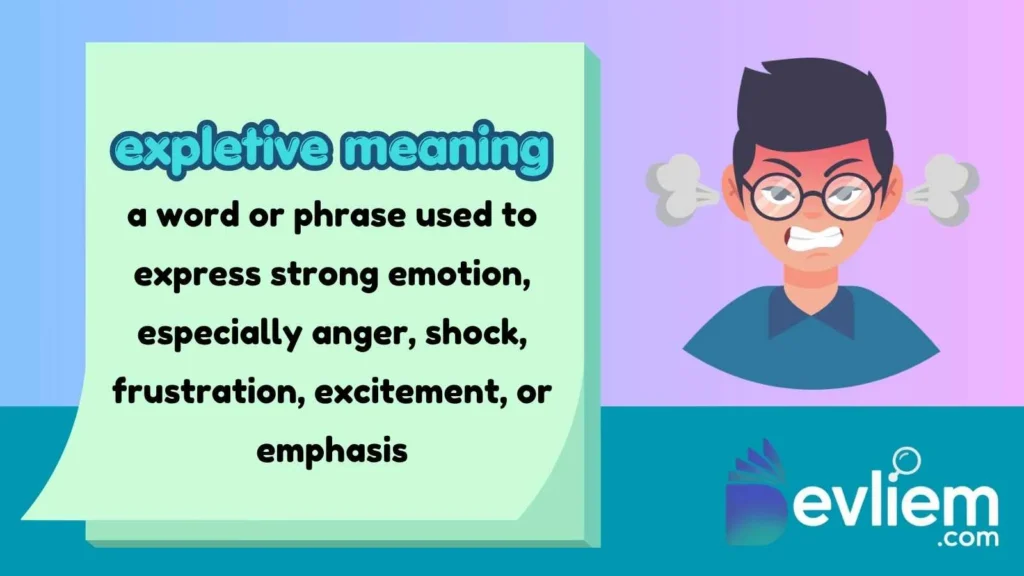
An expletive is a word or phrase used to express strong emotion, especially anger, shock, frustration, excitement, or emphasis. Many expletives are swear words or profanity, but not every expletive is necessarily offensive.
The word “expletive” comes from the Latin word explere, meaning “to fill out.” Originally, it referred to filler words in speech or poetry. Over time, English speakers began using the term to describe emotionally charged outbursts — especially curse words.
Today, most people use “expletive” as a polite way to refer to swearing without repeating the actual word. For example:
- “The streamer shouted an expletive after losing.”
- “The movie contains strong expletives.”
How the Meaning Evolved
Back in the early 1900s, expletive mostly appeared in academic grammar discussions. Fast-forward to modern internet culture, and it’s strongly connected with:
- profanity
- rage reactions
- comedy
- emotional emphasis
- meme culture
Social platforms like TikTok, Twitch, Reddit, and Discord normalized casual swearing in online communication, making expletives more visible than ever.
Pronunciation Guide
Expletive is pronounced:
ek-SPLEE-tiv
How to Use “Expletive” Correctly in Texts & Chat
Using expletives online is all about context. One person’s funny reaction is another person’s “Whoa, calm down.”
Casual Contexts Where Expletives Are Common
People often use expletives:
- while gaming
- reacting to shocking news
- joking with friends
- expressing excitement
- venting frustration
Examples:
- “That was freaking nonsensical !”
- “No way that actually happened!”
- “This lag is killing me.”
Some expletives are mild. Others are highly offensive. Tone matters a lot.
Platform-Specific Usage
SMS & WhatsApp
Expletives in texting are usually casual and emotional. Friends may use abbreviated forms like:
- WTF
- AF
- BS
- FFS
Instagram & TikTok
Creators often censor expletives with symbols:
- f***
- sh—
- @#!%
Why? Algorithms and monetization rules.
Discord & Gaming Chats
Gaming culture uses expletives heavily for:
- trash talk
- hype reactions
- frustration
- humor
Reddit communities vary wildly. Some subreddits allow aggressive language. Others ban profanity entirely.
X (Formerly Twitter)
Short emotional reactions make expletives common in trending discussions and viral posts.
When NOT to Use Expletives
Avoid expletives in:
- job interviews
- professional emails
- academic papers
- customer service chats
- workplace Slack channels
Even mild swearing can come across as unprofessional or hostile.
Formatting Tips
People often soften expletives online by:
- using abbreviations
- censoring letters
- adding emojis
Examples:
- “wtf 😭”
- “that’s wild af”
- “oh sh—”
Capitalization increases intensity:
- “WHAT THE HELL”
- “bro WHAT?!”
Real Conversation Examples Using Expletive
Between Friends
Alex: “I just dropped my phone in the sink.”
Maya: “Oh crap, is it dead?”
Meaning:
The expletive shows surprise and concern without sounding overly serious.
In a Gaming Chat
Player 1: “We lost again.”
Player 2: “This inconsiderate lag is unbearable.”
Meaning:
The expletive expresses frustration and emotional intensity.
In a Dating Conversation
Chris: “You actually remembered my birthday?”
Taylor: “Obviously 😂”
Meaning:
Sometimes mild expletives or emotionally charged phrases create playful intimacy.
Family Group Chat
Mom: “Who left the freezer open?”
Dad: “Well… that explains the melted ice cream.”
Meaning:
Families often use toned-down expletives for humor rather than aggression.
Workplace Chat (Bad Example)
Coworker: “The spreadsheet crashed again.”
Employee: “This damn software never works.”
Meaning:
Even mild expletives can sound risky or unprofessional in work settings.
Common Mistakes & Misunderstandings
1. Assuming All Expletives Are Extremely Offensive
Not true.
Words like:
- “heck”
- “dang”
- “crap”
are technically mild expletives but are socially acceptable in many situations.
2. Confusing Expletive With Insult
An expletive expresses emotion.
An insult targets a person.
Example:
- “Damn!” → expletive
- “You idiot!” → insult
Big difference.
3. Using Internet Expletives in Formal Situations
Typing “WTF” in a work email? Probably not the move.
Many younger users forget that casual internet language doesn’t always translate well offline.
Generational Misunderstandings
Gen Z
Often sees mild swearing as casual conversation.
Millennials
Generally comfortable with online profanity in informal spaces.
Older Generations
May view frequent expletives as rude or disrespectful.
This creates hilarious misunderstandings in family group chats sometimes.
Cultural Differences
Different countries treat expletives differently.
For example:
- British English often uses swear words more casually
- American workplaces tend to be stricter
- Some cultures see public profanity as deeply disrespectful
Always read the room.
“Expletive” Across Different Platforms & Demographics
Gen Z Usage
Gen Z treats many expletives as emotional punctuation.
Examples:
- “That’s nonsensical as hell.”
- “Bro what the heck 😭”
The goal is usually humor, exaggeration, or relatability.
Millennials
Millennials often use expletives:
- sarcastically
- self-deprecatingly
- ironically
Especially in memes and reaction posts.
Older Generations
Older users tend to reserve expletives for genuine anger rather than casual emphasis.
TikTok & Meme Culture
TikTok helped normalize censored expletives:
- unalive
- frick
- spicy language
- “accountant” as code for explicit jobs
Creators often adapt language to avoid moderation systems.
Is It Safe for Work?
Usually no.
Even mild expletives can create:
- HR issues
- professionalism concerns
- misunderstandings in tone
In casual team environments, mild expletives may be tolerated — but it varies heavily by workplace culture.
Related Slang, Abbreviations & Alternatives
| Term | Meaning |
|---|---|
| WTF | Expression of shock or confusion |
| AF | Means “extremely” for emphasis |
| BS | Refers to nonsense or lies |
| FFS | Frustrated reaction abbreviation |
| OMG | Surprise or excitement |
| Dang | Mild substitute for stronger swearing |
| Heck | Softer alternative to harsher expletives |
| Frick | Censored replacement for profanity |
| brutal | Someone brutally honest or bold |
| Salty | Irritated or bitter attitude |
You can also explore related slang terms like:
- “Learn more about WTF meaning”
- “Learn more about AF slang”
- “Learn more about salty meaning”
Synonyms
- profanity
- swear word
- curse word
- obscenity
Casual Opposites
- polite language
- formal speech
- professional wording
FAQs:
What does expletive mean in texting?
In texting, an expletive usually refers to a swear word or emotional expression used to show frustration, surprise, excitement, or emphasis. People often abbreviate or censor expletives online.
Is an expletive always profanity?
No. Some expletives are mild expressions like “heck” or “dang.” Others are stronger curse words. The intensity depends on the word and situation.
Why do people use expletives online so much?
Expletives help people express emotion quickly. Internet culture rewards dramatic reactions, humor, and authenticity, which makes emotional language more common.
Are expletives inappropriate at work?
Usually yes. Professional communication generally avoids profanity and emotionally aggressive wording, especially in emails or official chats.
What is the difference between expletive and profanity?
Profanity specifically refers to offensive language, while expletive is a broader term for emotional expressions or emphasis words.
Conclusion:
Language online changes fast. One minute a phrase sounds shocking. The next minute it’s meme material.
Understanding expletive meaning helps you navigate texting culture, gaming chats, social media trends, and everyday online conversations without sounding confused or accidentally offending someone.
At the end of the day, expletives are emotional tools. Sometimes funny Sometimes intense Sometimes wildly unnecessary after losing a ranked match.
Got a favorite internet abbreviation or slang term? Drop it in the comments and compare notes with other readers.

Hi, I’m Emily Taylor, the voice behind Devliem.com, where meanings aren’t just explained, they’re made easy to understand.
I’ve always been fascinated by words, the way they change, evolve, and sometimes confuse us more than they should. That curiosity turned into a mission: to break down complex meanings, trending slang, and everyday expressions into something clear, simple, and actually useful.