People don’t usually call something “dowdy” unless they’re trying to say more than just “unfashionable.
The word carries a certain mood. It can describe clothing, decor, appearance, behavior, or even an overall vibe that feels outdated, dull, or lacking style.
At the same time, “dowdy” isn’t always used as an insult. Sometimes it’s descriptive.
Other times it reflects changing fashion standards or social expectations.
That nuance is what makes the word interesting and occasionally misunderstood.
In this guide, you’ll learn exactly what dowdy means, where it came from, how people use it in real life, and when you should probably avoid saying it.
What Does Dowdy Mean?
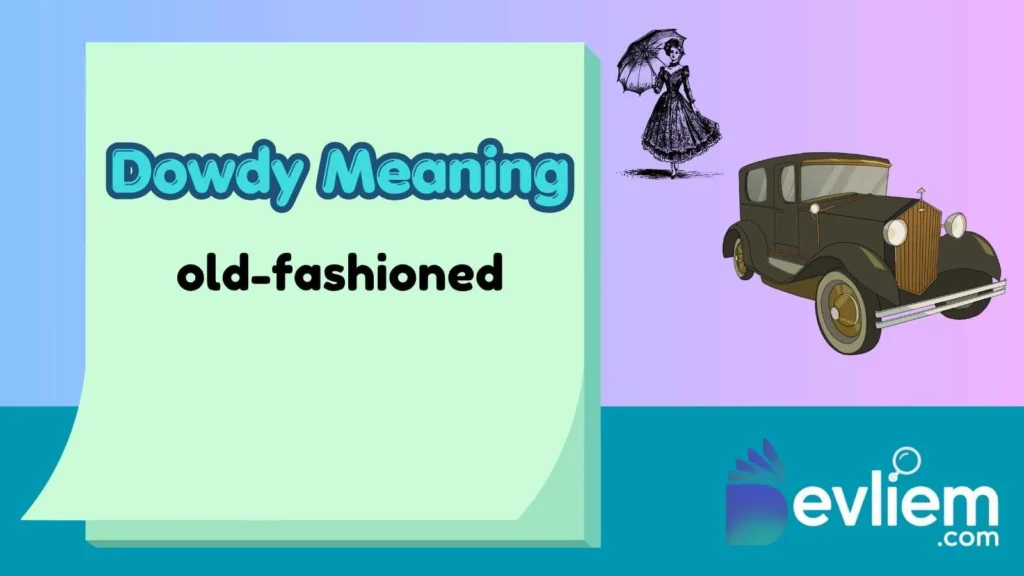
The word dowdy describes someone or something that looks:
- plain
- old-fashioned
- unfashionable
- dull in appearance
- lacking style or elegance
It’s most commonly used for clothing or personal appearance.
Simple Definition
Dowdy = looking outdated, drab, or unstylish
A person described as dowdy may appear as though they put little effort into fashion, grooming, or modern style trends.
Quick Examples
- “The apartment looked a little dowdy before the renovation.”
- “He traded his dowdy suits for a more modern wardrobe.”
- “People unfairly called her dowdy because she preferred comfort over trends.”
The word often carries a judgmental tone, even when it’s subtle.
How “Dowdy” Feels Emotionally
Unlike neutral words like “simple” or “modest,” dowdy usually suggests disappointment or lack of attractiveness.
It can imply that something feels:
| Tone | Meaning |
|---|---|
| Negative | unfashionable or unattractive |
| Critical | socially outdated |
| Mildly insulting | boring or frumpy |
| Occasionally playful | teasing about style |
Because of this, context matters a lot.
Calling a couch dowdy feels harmless. Calling a person dowdy can sound personal or rude.
Where Did the Word Dowdy Come From?
The word dates back several centuries. Linguists believe it appeared in English around the 1600s, originally referring to a poorly dressed or slovenly woman.
Over time, the meaning broadened. Today, it can describe:
- fashion
- hairstyles
- furniture
- interior design
- behavior
- aesthetics
- entire environments
Interestingly, what counts as dowdy changes with culture. A style considered elegant in one decade might later be labeled dowdy by younger generations.
That’s why the word often reflects trends as much as appearance.
Is Dowdy a Slang Word?
No — dowdy is not internet slang or a texting acronym.
It’s a traditional English adjective that appears in:
- fashion writing
- lifestyle magazines
- movie reviews
- social commentary
- casual conversations
However, social media has helped revive the word in style discussions, especially on platforms like TikTok and Instagram.
Dowdy Meaning in Fashion
Fashion is where the term appears most often.
When someone says clothing looks dowdy, they usually mean it feels:
- outdated
- shapeless
- overly conservative
- dull in color
- lacking personality
Common Fashion Examples
A dowdy outfit might include:
- oversized clothing with no structure
- faded fabrics
- old-fashioned prints
- mismatched styling
- styles associated with a much older era
That doesn’t mean vintage fashion is dowdy. The difference is intention.
A carefully styled vintage look can feel fashionable. A neglected or awkward outfit may come across as dowdy.
Dowdy vs Frumpy
People often confuse these words because they overlap.
Here’s the difference:
| Word | Main Meaning |
|---|---|
| Dowdy | dull, old-fashioned, unstylish |
| Frumpy | messy, shapeless, unattractive |
Something can be dowdy without being messy.
For example:
- A perfectly clean beige cardigan from 1994 might look dowdy.
- Wrinkled sweatpants and an oversized hoodie may look frumpy.
The emotional tone is similar, but not identical.
How People Use Dowdy in Everyday Conversation
The word appears more often in spoken English than many people realize.
Realistic Examples
Clothes
- “I used to think blazers looked dowdy until oversized styles became trendy.”
Home Decor
- “The hotel lobby felt dowdy compared to the modern rooms upstairs.”
Entertainment
- “Critics described the show’s costumes as intentionally dowdy.”
Personal Style
- “She transformed her image after years of dressing in what she called ‘dowdy office clothes.’”
Notice that the word usually describes appearance rather than personality.
When You Should Avoid Using the Word
This is important.
Calling a person dowdy can easily sound:
- classist
- ageist
- sexist
- unnecessarily harsh
Historically, the term has been used more often toward women than men, especially in discussions about attractiveness or aging.
That’s one reason some people dislike the word.
Situations Where It’s Best Avoided
Avoid using “dowdy” when:
- criticizing someone’s body or age
- mocking cultural clothing
- judging people for dressing modestly
- commenting on someone’s finances
- speaking in professional environments
A safer alternative might be:
- understated
- traditional
- conservative
- old-fashioned
- simple
Tone matters more than vocabulary alone.
Dowdy Meaning on TikTok
On TikTok, the word often appears in fashion transformations and style commentary.
Creators may say things like:
- “How to avoid looking dowdy after 40”
- “This outfit looked dowdy until I changed the shoes”
- “Why certain cuts make outfits feel dowdy”
In these videos, the word usually refers to styling choices rather than attractiveness.
Still, TikTok users frequently debate whether the label is unfair or overly judgmental.
That conversation reflects a broader cultural shift:
many people now reject the idea that comfort, modesty, or aging automatically equals “dowdy.”
Dowdy Meaning on Instagram
On Instagram, “dowdy” appears in:
- fashion captions
- makeover posts
- interior design content
- styling advice reels
You’ll often see before-and-after comparisons using the word.
Example:
“I swapped the dowdy curtains for something brighter and more modern.”
In home decor discussions, the term usually feels less personal and more descriptive.
Dowdy Meaning in Texting
In texting, the word is relatively uncommon compared to slang terms like:
- “mid”
- “basic”
- “cheugy”
- “cringe”
But some people still use it casually.
Example Text Messages
Friend 1:
“Should I wear this sweater tonight?”
Friend 2:
“It’s kinda dowdy tbh.”
Or:
“The restaurant looked dowdy online but was actually amazing.”
In texts, the word typically means:
- outdated
- unfashionable
- lacking energy or style
Modern Synonyms for Dowdy
Depending on context, similar words include:
- drab
- frumpy
- plain
- dull
- outdated
- unstylish
- shabby
- conservative
- old-school
- unfashionable
Some internet slang overlaps slightly too.
Related Terms Worth Exploring
You could internally link related articles such as:
- “cheugy meaning”
- “basic meaning”
- “mid meaning”
- “slay meaning”
- “drip meaning”
- “NPC meaning”
These terms all connect to modern conversations about appearance, aesthetics, and social perception online.
Common Misunderstandings About Dowdy
1. Dowdy Doesn’t Mean Ugly
Something can be attractive but still feel stylistically outdated.
2. It’s Not Always an Insult
People sometimes use it casually for:
- rooms
- furniture
- websites
- uniforms
- branding
3. Minimalist Isn’t Automatically Dowdy
Simple fashion can look elegant when styled intentionally.
4. Age Has Nothing to Do With It
A teenager can wear a dowdy outfit just as easily as an older adult.
The word is about presentation — not age itself.
Cultural Shifts Around the Word
Fashion standards constantly change.
At one point:
- high-waisted jeans looked dowdy
- oversized glasses looked dowdy
- chunky sneakers looked dowdy
Now many of those trends are fashionable again.
That’s why “dowdy” is subjective. It reflects current cultural tastes more than objective truth.
Social media also accelerated trend cycles. Styles now move from “trendy” to “dated” much faster than they did in previous decades.
Can Dowdy Ever Be Positive?
Surprisingly, yes.
Some people intentionally embrace styles others might call dowdy because they value:
- comfort
- practicality
- nostalgia
- modesty
- anti-trend fashion
In some fashion communities, rejecting hyper-polished aesthetics is actually seen as stylish.
That’s especially true among people tired of constant online pressure to look perfect.
So while “dowdy” is usually negative, some people reclaim the aesthetic on purpose.
Quick Summary Table
| Question | Answer |
|---|---|
| What does dowdy mean? | Unfashionable, dull, or outdated in appearance |
| Is it slang? | No |
| Is it insulting? | Sometimes, depending on context |
| Commonly used for? | Clothing, decor, appearance, style |
| Popular online? | Yes, especially in fashion content |
| Similar words | Frumpy, drab, outdated, plain |
FAQs:
Does dowdy only describe women?
No. The word can describe anyone or anything, although historically it has been used more often toward women.
Is dowdy an old-fashioned word itself?
Somewhat. It’s still widely understood, but it sounds more traditional than modern slang terms.
What’s the difference between dowdy and modest?
Modest refers to simplicity or lack of showiness. Dowdy suggests a lack of style or modern appeal.
Can home decor be called dowdy?
Yes. People often describe furniture, wallpaper, hotels, or interior design styles as dowdy.
Is dowdy stronger than “plain”?
Usually yes. “Plain” can be neutral, while “dowdy” tends to sound critical.
Why do fashion influencers use the word so much?
Because it quickly communicates the idea of something feeling outdated or visually dull compared to current trends.
Final Thoughts:
Dowdy is one of those words that says more than people realize.
It’s not just about clothing it reflects changing ideas about style, attractiveness, social expectations, and even confidence.
Sometimes the word simply means outdated. Other times it carries criticism that can feel surprisingly personal.
That’s why context matters.
Used carefully dowdy can be a useful descriptive word for fashion, decor, or aesthetics. Used carelessly, it can come across as dismissive or judgmental.
And in today’s internet culture where trends change almost weekly what looks dowdy today might suddenly become stylish again tomorrow.

Hi, I’m Cross Read, the Writer and Creator behind devliem.com, where words stop being confusing and start making sense.
I’ve always been curious about language, how a single word can mean different things depending on context, culture, or even a trend. That curiosity turned into devliem, a space where I break down meanings, decode slang, and simplify the kind of terms people search every day.