Ever heard someone say, “She has such a buoyant personality,” and wondered what that really means?
Or maybe you’ve seen the word used in news headlines like “a buoyant economy” and felt a bit confused.
The buoyant meaning goes beyond just floating on water; it’s a versatile word used in everyday conversation, business, and even emotional expression.
And in 2026, where communication blends formal language with casual tone, knowing words like ‘buoyant’ helps you sound smarter and more natural.
In this guide, you’ll learn exactly what buoyant means, how to use it correctly, real-life examples, and common mistakes to avoid.
Whether you’re a student, professional, or just curious about English, thguide willill clear everything up—fast.
What Does “Buoyant” Mean?
‘Buoyant’ has two main meanings:
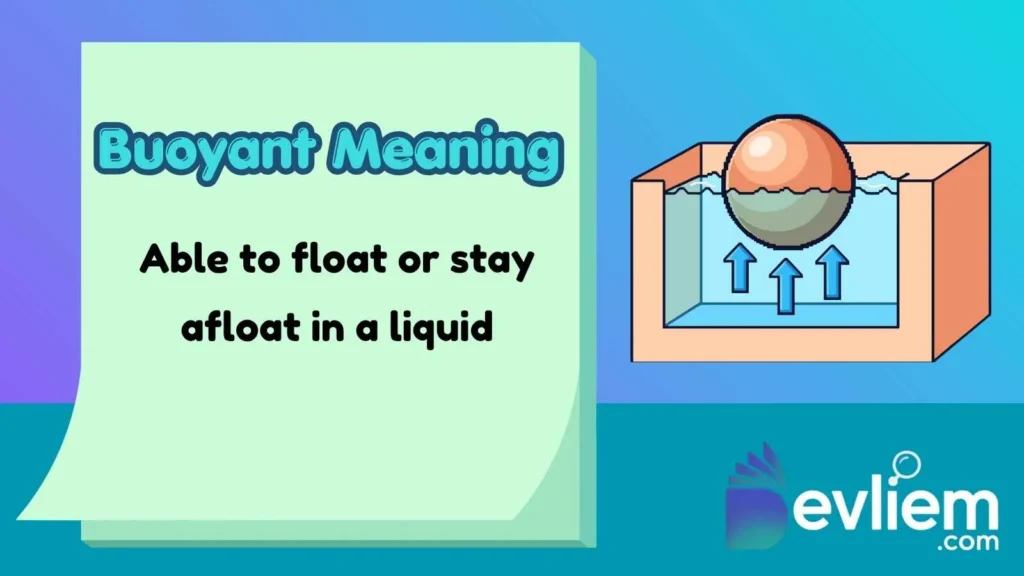
- Physical meaning: Able to float or stay afloat in a liquid
- Figurative meaning: Cheerful, optimistic, or resilient
Quick Answer:
‘Buoyant’ means ‘able to float’ or ‘having a positive, upbeat attitude’.
Origin & Evolution
The word comes from the Spanish word ‘boya’ (meaning ‘float’ or ‘buoy’). Over time, English adopted it to describe not just floating objects but also uplifting moods and strong situations.
Today, it’s widely used in the following:
- Emotional descriptions (“buoyant mood”)
- Business/economics (“buoyant market”)
- Everyday speech
Pronunciation Guide
‘Buoyant’ is pronounced:
👉 /ˈbɔɪ.ənt/ (boy-uhnt)
Yes—it’s trickier than it looks!
How to Use “Buoyant” Correctly in Texts & Chat
Tone & Context
Buoyant is:
- Slightly formal, but still common in conversation
- Positive in tone
- Often used to describe resilience or optimism
Where You’ll See It
- WhatsApp / SMS: Less common, but used in thoughtful messages
- Instagram captions: “Feeling buoyant today 🌊✨”
- Twitter/X: “Markets remain buoyant despite inflation.”
- Discord/Reddit: More in discussions than casual slang
When to Use It
Use ‘buoyant’ when describing:
- A happy or energetic person
- A situation that’s doing well
- Something physically floating
When NOT to Use It
Avoid in:
- Super casual slang chats (it may sound too formal)
- Serious negative situations (it conflicts with tone)
Formatting Tips
- No need for caps: buoyant (not BUOYANT)
- Pair with emojis: 🌊 😊 🚀
- Works well in descriptive sentences
Real Conversation Examples Using “Buoyant”
1. Between Friends
A: “How are you still so positive after that exam?”
B: “I don’t know, just staying buoyant. 😄”
👉 Shows emotional resilience and optimism
2. In a Group Chat
Friend 1: “This week has been rough.”
Friend 2: “Yeah, but let’s stay buoyant—the weekend’s coming!”
👉 Encouraging positivity in a tough situation
3. Dating Scenario
Text: “I love your buoyant energy—it’s contagious.”
👉 Complimenting someone’s cheerful personality
4. Workplace Chat
Manager: “Despite challenges, the team remains buoyant.”
👉 Professional tone showing resilience and morale
5. Gaming Chat
Player: “We lost, but I’m still buoyant—next round we’ll win!”
👉 Optimism despite failure
Common Mistakes & Misunderstandings
1. Confusing It Only With Floating
Many think ‘buoyant’ only refers to objects in water.
❌ “Her mood is floating.”
✅ “Her mood is buoyant.”
2. Mispronouncing It
People often say “buoyant”. ❌
Correct: boy-uhnt ✅
3. Using It in Negative Contexts
❌ “He was buoyant and depressed.”
(Conflicting meanings)
Generational Confusion
- Gen Z: Uses it more for personality vibes
- Older generations: Use it more in formal or economic contexts
Cultural Differences
In some regions, ‘buoyant’ is mostly used in the following:
- Business/news (e.g., “buoyant market”)
- Less in casual speech
“Buoyant” Across Different Platforms & Demographics
Gen Z Usage
- Used to describe “vibes” or energy
- Example: “Her energy is so buoyant ✨.”
Millennials
- Balanced usage (casual + professional)
- Seen in LinkedIn posts and captions
Older Generations
- More formal usage
- Common in:
- News articles
- Financial discussions
Platform Trends
- TikTok: Rare but used in captions for aesthetic vibes
- Instagram: Growing usage in self-expression
- LinkedIn: Very common in business tone
Is It Safe for Work?
✅ Yes—completely safe
It’s actually a great professional word
Related Slang, Abbreviations & Alternatives
Here are similar or related words:
- Optimistic – hopeful and positive
- Upbeat – cheerful and lively
- Cheerful – visibly happy
- Resilient – able to recover quickly
- Light-hearted – carefree and fun
- Positive vibes – casual slang version
- Energetic – full of energy
- High-spirited – lively and enthusiastic
- Thriving – doing very well
- Floating – literal physical meaning
👉 Learn more about terms like “positive vibes” and “thriving” to expand your vocabulary naturally.
FAQs:
What does ‘buoyant’ mean in personality?
A buoyant personality means someone is cheerful, optimistic, and emotionally resilient. They stay positive even in tough situations and often uplift others around them.
Can buoyant describe the economy?
Yes. A buoyant economy means strong growth, high confidence, and excellent performance. It’s commonly used in business news and financial discussions.
Is buoyant formal or informal?
‘Buoyant’ is slightly formal but widely accepted in everyday language. It works well in both professional writing and thoughtful conversations.
What is a buoyant mood?
A buoyant mood is light, happy, and optimistic. It suggests an emotional “lift”—like your feelings are rising instead of sinking.
What’s the difference between buoyant and optimistic?
‘Optimistic’ focuses on expecting good outcomes, while ‘buoyant’ emphasises emotional energy and resilience. ‘Buoyant’ feels more lively and expressive.
Conclusion:
The buoyant meaning is simple but powerful. It describes both physical floating and emotional strength, making it one of those rare words that work in multiple contexts.
Whether you’re talking about a person, a mood, or even the economy, ‘buoyant’ adds a layer of positivity and energy that basic words just don’t capture.
Start using it in your conversations and captions, and writing it instantly makes your language sound more expressive and polished.
💬 Got a favourite word like ‘buoyant’? Drop it in the comments and let’s expand our vocabulary together!

Hi, I’m Cross Read, the Writer and Creator behind devliem.com, where words stop being confusing and start making sense.
I’ve always been curious about language, how a single word can mean different things depending on context, culture, or even a trend. That curiosity turned into devliem, a space where I break down meanings, decode slang, and simplify the kind of terms people search every day.