Have you ever seen someone post “Need a good HEA book tonight on TikTok, Reddit, or Goodreads and wondered what they meant? You’re not alone.
The phrase hea book meaning has become increasingly popular as romance readers, BookTok fans, and online communities use shorthand to describe the endings they love most.
If you read romance novels or even just browse reading communities you’ll run into HEA constantly.
Knowing the term helps you choose books faster, avoid surprise heartbreak endings, and understand reader recommendations instantly.
In this guide, updated for 2026, you’ll learn what HEA means in books, where it came from, how readers use it online, common misunderstandings, and examples from real conversations.
What Does “Hea Book Meaning” Mean?
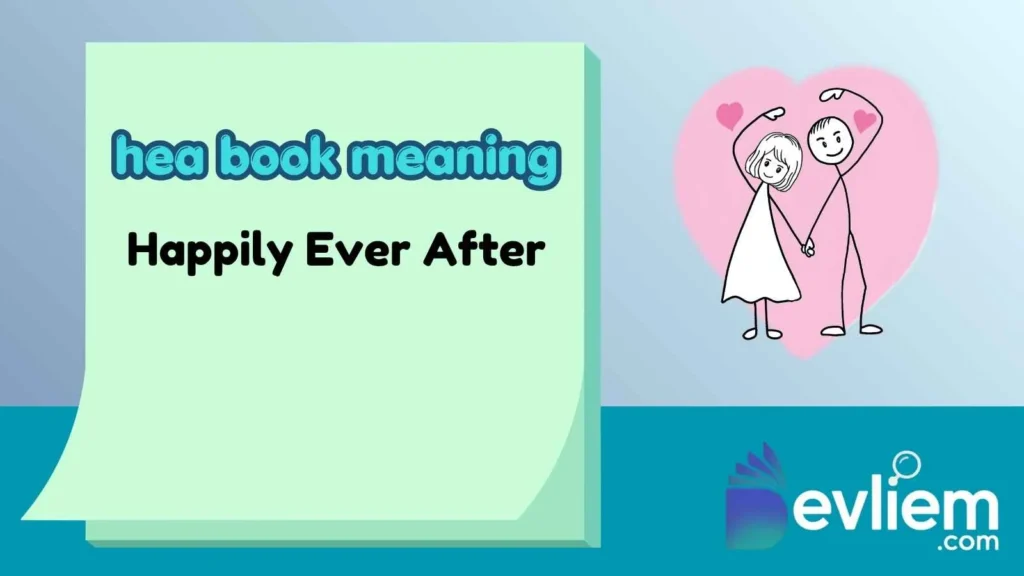
The phrase hea book meaning usually refers to a book that has an HEA ending, where HEA = Happily Ever After.
In romance fiction, this means the central couple ends the story together, emotionally fulfilled, and with a positive future ahead.
Quick Answer: In book communities, HEA means Happily Ever After. A “HEA book” is usually a romance novel with a satisfying happy ending.
Where Did HEA Come From?
HEA became popular in romance publishing circles long before TikTok existed. Romance readers, reviewers, and bloggers used it as shorthand when recommending books.
Later, platforms like:
- Goodreads
- Reddit romance threads
- BookTube
- BookTok
- Instagram book pages
…made the acronym mainstream.
How It Evolved
Originally, HEA was niche publishing jargon. Today, casual readers now use it daily.
Example:
“I need an HEA after that tragic fantasy ending.”
Pronunciation
Most readers say it two ways:
- H-E-A (letter by letter)
- “Happy ending book” informally
How to Use “HEA” Correctly in Texts & Chat
HEA is mostly used in reading spaces, not random daily texting.
Best Contexts for HEA
✅ Book recommendations
✅ Romance discussions
✅ Goodreads reviews
✅ TikTok comments
✅ Reading challenge lists
Examples:
- “Does this one have HEA?”
- “Need a spicy HEA book.”
- “I only read HEA romances.”
Platform-Specific Usage
TikTok / BookTok
Fast comments like: “Need HEA recs pls.”
Instagram
Used in captions and recommendation posts.
Reddit
Often appears in recommendation requests.
Discord
Common in book clubs and fandom chats.
WhatsApp / SMS
Less common unless talking with readers.
When NOT to Use It
❌ Professional emails
❌ Formal writing
❌ Conversations where nobody reads romance fiction
Imagine emailing your boss: “Project update has HEA vibes.” Please don’t.
Formatting Tips
- Usually uppercase: HEA
- Sometimes lowercase casually: hea
- Often paired with emojis: ❤️📚✨😭➡️😊
Real Conversation Examples Using “HEA”
Between Friends
A: That book wrecked me emotionally.
B: Read this one next. Full HEA.
Meaning: Comfort recommendation after sadness.
Dating Chat
A: What kind of books do you read?
B: Mostly enemies-to-lovers with guaranteed HEA.
Meaning: Shows genre taste.
Family Conversation
Mom: Why do you always read romance?
You: Because real life is stressful. Books with HEA heal me.
Meaning: Emotional escape and comfort.
Work Chat (Casual)
Coworker: Weekend plans?
You: Blanket, snacks, and an HEA book.
Meaning: Cozy self-care humor.
Gaming / Discord
User1: That quest ending was brutal.
User2: Need an HEA story after this pain.
Meaning: Wanting emotional recovery.
Common Mistakes & Misunderstandings
1. Thinking HEA Means Any Happy Ending
Not exactly. In romance, HEA usually means the main relationship is secure and lasting, not just “things got better.”
2. Confusing HEA With HFN
HFN = Happy For Now
That means the couple is happy now, but future uncertainty remains.
3. Assuming Every Genre Uses It
HEA is strongest in romance communities. Thriller readers don’t normally tag books HEA unless joking.
Generational Confusion
Older readers may know the concept but not the acronym. Gen Z readers on BookTok use it naturally.
How to Clarify
Just ask:
“Do you mean HEA as in Happily Ever After?”
Simple and painless.
“HEA” Across Different Platforms & Demographics
Gen Z
Uses HEA heavily on TikTok and meme-style recommendation posts.
Example:
“Need dark romance HEA recs rn.”
Millennials
Use HEA in Goodreads reviews, blogs, Kindle groups, and Facebook reader communities.
Older Generations
May use full phrases like “happy ending romance.”
Is It Safe for Work?
Yes. HEA itself is harmless and book-related.
Why It Trends
Readers increasingly want emotional certainty. With stressful news cycles and chaotic entertainment endings, HEA offers comfort.
That’s why searches for happy-ending romance books keep growing.
Related Slang, Abbreviations & Alternatives
| Term | Meaning |
|---|---|
| HEA | Happily Ever After |
| HFN | Happy For Now |
| TBR | To Be Read |
| DNF | Did Not Finish |
| MMC | Male Main Character |
| FMC | Female Main Character |
| OTP | One True Pairing |
| Slow Burn | Romance builds gradually |
| Enemies to Lovers | Popular romance trope |
| Book Hangover | Emotional slump after finishing |
Learn more about TBR meaning
Learn more about DNF meaning
Learn more about Slow Burn romance
Synonyms
- Happy ending book
- Feel-good romance
- Satisfying romance ending
Opposites
- Tragic ending
- Bittersweet ending
- Open ending heartbreak
FAQs:
What does HEA mean in books?
HEA stands for Happily Ever After. It means the romantic leads end the story together with a positive future ahead.
Is HEA only for romance novels?
Mostly yes. Romance readers use it most often, though other genres may mention it jokingly.
What’s the difference between HEA and HFN?
HEA suggests long-term commitment and closure. HFN means things are happy now, but future outcomes aren’t fully guaranteed.
Why do readers care about HEA?
Many readers want emotional satisfaction, especially after stressful days. HEA promises payoff and comfort.
Can a sad book still have HEA?
Yes. A story can be emotional, dramatic, or painful during the plot and still end with an HEA.
Conclusion:
Now you know the real hea book meaning: it usually points to Happily Ever After in romance and reader communities.
It’s more than an acronym it’s a promise. For many readers, HEA means comfort, hope, and emotional reward after hundreds of pages of chaos.
Next time someone says they need an HEA book, you’ll know exactly what they’re asking for.
Drop your favorite text abbreviation in the comments below and explore more slang terms next!

Hi, I’m Emily Taylor, the voice behind Devliem.com, where meanings aren’t just explained, they’re made easy to understand.
I’ve always been fascinated by words, the way they change, evolve, and sometimes confuse us more than they should. That curiosity turned into a mission: to break down complex meanings, trending slang, and everyday expressions into something clear, simple, and actually useful.