Ever seen a product labeled homeopathic at a pharmacy and wondered what that actually means? You’re not alone.
The word pops up everywhere from cold remedies and allergy tablets to wellness TikToks and family WhatsApp debates.
The homeopathic meaning often confuses people because it sounds similar to “natural,” “herbal,” or even “holistic.”
But homeopathy is actually its own system with a very specific philosophy and history.
Understanding the term matters more than ever in 2026. Health information spreads fast online, and people want clear answers without complicated medical jargon.
Whether you’re researching remedies, decoding product labels, or just trying to sound smarter in conversations, this guide breaks everything down in plain English.
You’ll learn what “homeopathic” really means, where the idea came from, how people use the term today, common misunderstandings, and how it compares to other wellness approaches.
What Does “Homeopathic” Mean?
Quick Answer:
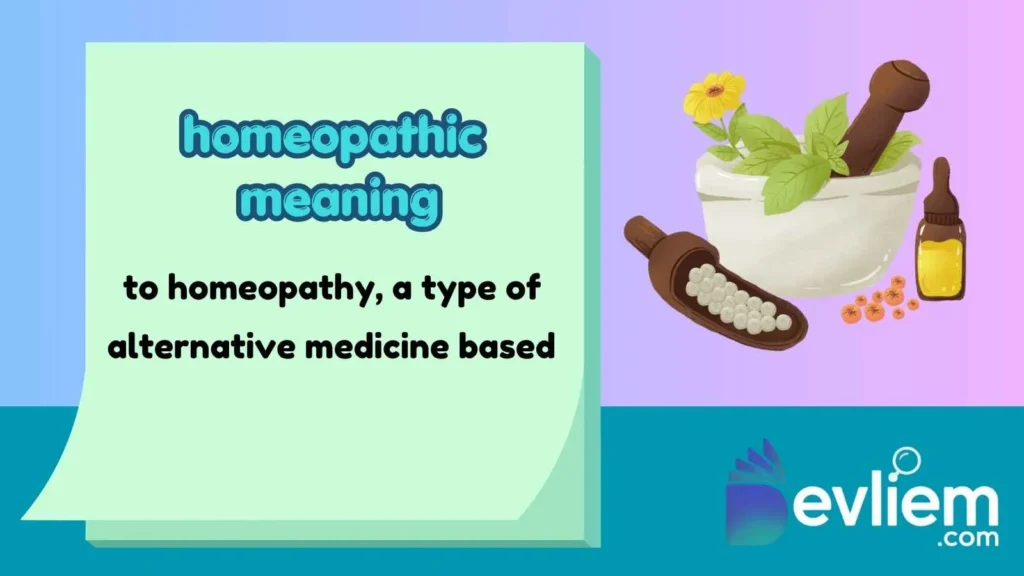
“Homeopathic” means related to homeopathy, a type of alternative medicine based on the idea that tiny amounts of a substance may help treat symptoms similar to those it causes in healthy people.
The term comes from the word “homeopathy,” created by German physician Samuel Hahnemann in the late 1700s.
The word itself combines two Greek roots:
- Homeo = similar
- Pathos = suffering or disease
So the idea literally translates to “similar suffering.”
The Core Principle
Homeopathy is based on a concept often summarized as:
“Like cures like.”
For example, if a substance causes watery eyes in a healthy person, a highly diluted version might supposedly treat watery eyes in someone who is sick.
That’s the foundation of homeopathic thinking.
How the Meaning Evolved
Originally, “homeopathic” referred strictly to remedies and treatments used in homeopathy.
Today, though, many people casually use it to mean:
- natural medicine
- gentle remedies
- alternative treatment
- holistic wellness
Technically, those terms are not identical.
Pronunciation Guide
Homeopathic is pronounced:
hoe-mee-oh-PATH-ik
How to Use “Homeopathic” Correctly in Everyday Conversation
The word “homeopathic” is usually used in health, wellness, and medical discussions.
Common Correct Usage
- “She prefers homeopathic remedies for mild allergies.”
- “That cough syrup is labeled homeopathic.”
- “My aunt swears by homeopathic treatment.”
Tone and Context
The term itself is neutral. But conversations around it can become emotional because people have strong opinions about alternative medicine.
It may sound:
- wellness-focused
- holistic
- skeptical
- scientific
- controversial
depending on context.
Where You’ll See It Online
Instagram & TikTok
Usually connected to wellness influencers, natural remedies, or “clean living” content.
Often debated in health communities.
YouTube
Appears in discussions about natural healing, parenting, or alternative therapies.
WhatsApp & Facebook
Common in family groups sharing remedies or health advice.
When NOT to Use It
Avoid using “homeopathic” as a synonym for:
- herbal
- organic
- naturopathic
- holistic
They overlap sometimes, but they are not the same thing.
Professional Settings
In medical or scientific discussions, precision matters.
For example:
- Correct: “This product is marketed as homeopathic.”
- Less accurate: “All natural medicine is homeopathic.”
Homeopathic Meaning in Medicine
In healthcare, “homeopathic” specifically describes remedies prepared through repeated dilution.
Many homeopathic products contain:
- plant extracts
- minerals
- animal-derived substances
These are diluted heavily — sometimes to the point where little or none of the original substance may remain.
Common Examples
You may see homeopathic products marketed for:
- colds
- allergies
- stress
- sleep support
- teething discomfort
Important Context
Major medical organizations continue debating the effectiveness of homeopathy. Some studies report positive experiences, while many scientists argue there is limited evidence beyond placebo effects.
That’s why understanding the actual homeopathic meaning matters. The word describes a specific medical philosophy — not just a general “natural” product.
Real Conversation Examples Using “Homeopathic”
Between Friends
Alex: “What’s that tiny bottle in your bag?”
Mia: “It’s a homeopathic remedy for headaches.”
Meaning:
Mia is referring to an alternative medicine product intended to relieve symptoms naturally or through dilution-based treatment.
In a Family Chat
Mom: “Your grandma recommends a homeopathic cough syrup.”
Son: “Does it actually work?”
Meaning:
The word signals a non-traditional treatment approach, often associated with older family remedies or wellness culture.
At a Pharmacy
Customer: “Is this regular medicine or homeopathic?”
Pharmacist: “It’s labeled as a homeopathic product.”
Meaning:
The customer wants to know whether the product follows conventional medicine or homeopathic principles.
In a Wellness Group
User: “I’ve been trying homeopathic sleep drops lately.”
Reply: “Interesting. Did they help?”
Meaning:
The term is used casually in wellness discussions without necessarily debating scientific validity.
Online Debate
Commenter 1: “Homeopathic medicine changed my life.”
Commenter 2: “I still prefer evidence-based treatment.”
Meaning:
This shows the ongoing divide between supporters and skeptics.
Common Mistakes & Misunderstandings
1. Confusing Homeopathic With Herbal
This is the biggest mistake.
Herbal medicine uses active plant ingredients directly. Homeopathy relies on dilution principles.
A ginger tea is herbal.
A highly diluted ginger-based pellet could be homeopathic.
Huge difference.
2. Assuming “Homeopathic” Means Scientifically Proven
Some people assume anything sold in pharmacies is fully backed by scientific consensus.
That’s not always the case.
Homeopathic products are regulated differently in many countries.
3. Thinking It Means “Completely Natural”
A product labeled homeopathic may originate from natural substances, but the defining feature is the preparation method — especially dilution.
Generational Differences
- Older generations: Often associate homeopathy with trusted traditional remedies.
- Gen Z: More likely to discover it through wellness influencers or TikTok.
- Millennials: Tend to research both scientific and alternative viewpoints.
Cultural Differences
Homeopathy is especially popular in:
- India
- Germany
- parts of Europe
- some wellness communities in the U.S.
In other regions, it may be viewed more skeptically.
“Homeopathic” Across Different Platforms & Demographics
TikTok
Homeopathic content often appears in:
- wellness routines
- “natural mom” content
- holistic lifestyle videos
Some creators support it passionately. Others critique it heavily.
The word is common in:
- skincare discussions
- supplement posts
- alternative wellness branding
Reddit tends to be more debate-heavy. Discussions often include scientific studies, personal experiences, and skepticism.
Among Gen Z
Gen Z users often connect “homeopathic” with:
- clean living
- wellness trends
- non-pharmaceutical approaches
Sometimes incorrectly.
Among Older Adults
Older generations may associate homeopathy with family traditions or remedies passed down over decades.
Is It Formal or Informal?
The word itself is formal enough for medical discussions, but conversations around it happen casually online all the time.
Safe for Work?
Yes. The term is completely safe for work and appropriate in professional contexts when used accurately.
Homeopathic vs Similar Terms
| Term | Meaning | Same as Homeopathic? |
|---|---|---|
| Herbal medicine | Plant-based remedies | No |
| Holistic medicine | Whole-body wellness approach | No |
| Naturopathy | Natural healing practices | Not exactly |
| Alternative medicine | Non-mainstream treatments | Broader category |
| Conventional medicine | Standard medical care | Opposite approach |
| Organic | Grown without synthetic chemicals | Unrelated |
| Wellness remedy | General health support | Not specific |
| Home remedy | DIY treatment at home | Different concept |
Related Slang, Terms & Alternatives
Here are related terms people often search alongside homeopathic meaning:
- Holistic — focused on whole-body wellness
- Natural remedy — treatment using natural ingredients
- Alternative medicine — non-mainstream healthcare approaches
- Naturopathic — based on natural healing methods
- Herbal treatment — plant-based remedies
- Wellness therapy — general health-focused treatments
- Traditional medicine — culturally established healing methods
- Complementary medicine — used alongside conventional treatment
- Integrative medicine — combining standard and alternative care
- Placebo effect — improvement linked to belief or expectation
Suggested Internal Anchor Opportunities
- Learn more about holistic medicine
- Explore the meaning of naturopathic remedies
- Read our guide to alternative medicine terms
- What does placebo effect mean?
- Herbal vs homeopathic explained
FAQs:
What is the simple meaning of homeopathic?
Homeopathic means related to homeopathy, an alternative medical system using highly diluted substances intended to treat symptoms similar to those they cause.
Is homeopathic medicine natural?
Many homeopathic products originate from natural substances, but “homeopathic” specifically refers to the dilution-based preparation process rather than simply being natural.
What’s the difference between homeopathic and herbal medicine?
Herbal medicine uses active plant ingredients directly. Homeopathy relies on extreme dilutions and the principle of “like cures like.”
Is homeopathy scientifically accepted?
Homeopathy remains controversial. Some users report positive experiences, while many scientists and medical organizations say evidence supporting effectiveness is limited.
Why do people use homeopathic remedies?
People may choose homeopathic remedies because they prefer alternative approaches, believe the treatments are gentler, or have had positive personal experiences.
Is homeopathic treatment safe for children?
Some parents use homeopathic products for children, but healthcare professionals generally recommend consulting a qualified doctor before giving any treatment to kids.
Can homeopathic remedies replace regular medicine?
Most medical experts advise against replacing prescribed treatments with homeopathic remedies without professional guidance.
Conclusion:
The homeopathic meaning goes far beyond “natural medicine.
It refers to a specific alternative medical philosophy built around the idea that “like cures like” and that diluted substances may help treat symptoms.
The term appears everywhere now from pharmacy shelves to TikTok wellness videos which makes understanding it even more important in 2026.
Whether you support homeopathy, question it, or are simply curious, knowing the real definition helps you navigate health conversations with confidence instead of confusion.
Got a favorite wellness term or internet slang you want decoded next? Drop it in the comments and keep exploring the language shaping modern life.

Hi, I’m Emily Taylor, the voice behind Devliem.com, where meanings aren’t just explained, they’re made easy to understand.
I’ve always been fascinated by words, the way they change, evolve, and sometimes confuse us more than they should. That curiosity turned into a mission: to break down complex meanings, trending slang, and everyday expressions into something clear, simple, and actually useful.