You’re watching a movie, scrolling social media, or chatting with a friend when someone says, ‘That actor is so hunky.’
You get the vibe, but what exactly does it mean?
The phrase ‘hunky’ meaning is still searched often because slang changes fast, and words that once sounded normal can feel funny, old school, or confusing today.
Some people hear it in classic TV shows. Others see it in memes, captions, or playful texting.
In simple terms, hunky usually describes a man who is handsome, muscular, and physically attractive. But tone matters.
Depending on context, it can sound flirtatious, humorous, nostalgic, or even cheesy.
In this updated 2026 guide, you’ll learn the real meaning of hunky, where it came from, how people use it now, what mistakes to avoid, and whether it still works in modern conversation.
What Does “Hunky” Mean?
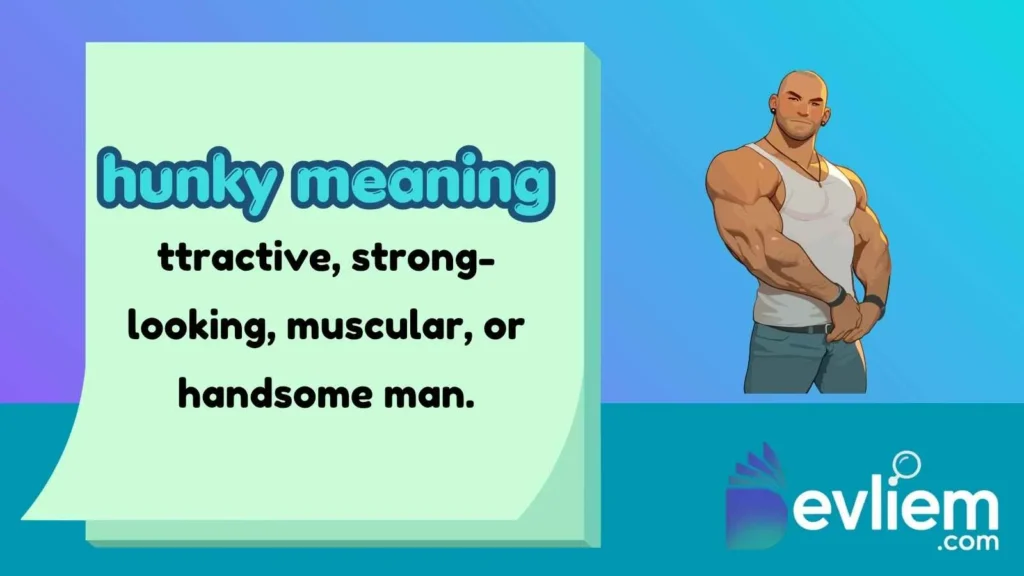
Quick Answer: Hunky means an attractive, strong-looking, muscular, or handsome man.
The word usually focuses on physical appeal. Think broad shoulders, confidence, fitness, or movie-star charm.
Simple Definition
If someone says, “He’s hunky,” they usually mean the following:
- Good-looking
- Strong or athletic-looking
- Masculine in an attractive way
- Charming or confident
Origin of the Word
The modern use of hunky became popular in English during the 20th century, especially in magazines, movies, and celebrity culture. It was often used to describe actors, models, or “heartthrob” types.
By the 1970s–1990s, it became common in entertainment media.
How Meaning Changed Over Time
Earlier: Serious compliment about a handsome man.
Now: Often playful, retro, teasing, or humorous.
Pronunciation
HUN-kee
How to Use “Hunky” Correctly in Texts & Chat
The word works best in casual settings.
Best Contexts to Use It
- Talking with friends
- Celebrity discussions
- Dating chats
- Funny comments
- Pop culture posts
Platform-Specific Usage
SMS / Texting
“Your trainer is kinda hunky lol.”
“That new neighbor is hunky 👀.”
“Hunky hero energy.”
X / Twitter
“Why are all fantasy movie villains weirdly hunky?”
Discord / Gaming
“That character design is ferociously hunky.”
Often used jokingly or ironically.
When NOT to Use It
Avoid in:
- Job interviews
- Office emails
- Professional meetings
- Formal introductions
- Situations where appearance comments are inappropriate
Formatting Tips
- Lowercase is normal: hunky
- Capitalized for emphasis: Hunky
- Often paired with emojis: 😍🔥👀
Real Conversation Examples Using “Hunky”
Between Friends
Sara: Did you see the new lifeguard?
Nina: Yes… very hunky.
Meaning: Strong attraction and playful admiration.
Dating Chat
Alex: What’s your type?
Maya: Funny, kind, and a little hunky.
Meaning: Attractive with masculine confidence.
Family Setting
Mom: Who is that actor?
Daughter: Apparently he was the “hunky star” of the 90s.
Meaning: Nostalgic compliment.
Work Chat (Not Recommended)
Coworker: Our new manager seems smart.
Someone else: And hunky.
Meaning: Risky and too personal for work.
Gaming Chat
Player 1: Why does every warrior character look so hunky?
Player 2: Fantasy rules.
Meaning: Humorous use for muscular character design.
Common Mistakes & Misunderstandings
1. Assuming It Means Just “Nice”
Some people think hunky means polite or friendly. Not quite. It usually refers to physical attractiveness, especially a strong or handsome man.
2. Using It in Formal Situations
Calling a coworker, teacher, boss, or client “hunky” can feel awkward or inappropriate. It’s best kept casual.
3. Thinking Everyone Uses It’s the same way.
Older generations may use it sincerely. Gen Z might use it ironically or as a meme.
Generational Misunderstandings
- Boomers / Gens often use it as a normal compliment.
- Millennials: Recognise it, sometimes use it jokingly.
- Gen Z: Often playful, exaggerated, or retro humour.
Cultural Differences
In some countries, people rarely use ‘hunky’ in daily speech. They may prefer:
- hot
- handsome
- fit
- attractive
- cute
How to Clarify If Someone Doesn’t Understand
Just say:
“I mean handsome and muscular.”
Simple fix.
“Hunky” Across Different Platforms & Demographics
TikTok
Usually appears in comments about actors, gym guys, or fictional characters.
Example:
“Why is the villain so hunky, though?”
Used in captions, thirst comments, or celebrity fan pages.
Example:
“Hunky vacation vibes 🔥”
Discord
Often used humorously in fandoms, anime, gaming, or roleplay communities.
Common in movie discussions, nostalgia threads, and jokes.
Is It Formal or Informal?
Very informal.
Safe for Work?
Usually not ideal in professional settings because it comments on someone’s body or looks.
Viral Popularity Moments
The word often trends when:
- A superhero movie releases
- A retro TV show resurfaces
- Fans discuss attractive male celebrities
Related Slang, Abbreviations & Alternatives
| Term | Meaning |
|---|---|
| Handsome | Attractive man in a classic way |
| Hot | Sexually attractive |
| Cute | Charming or sweet-looking |
| Fine | Very attractive |
| Fit | Attractive body (UK slang) |
| Stud | Confident, desirable man |
| Heartthrob | Celebrity crush figure |
| Buff | Muscular |
| Dreamy | Romantic attractiveness |
| Snack | Someone very attractive |
Synonyms in Casual Language
- hot guy
- good-looking dude
- attractive man
- total catch
Opposites (Playful)
- awkward
- scruffy
- unattractive
- zero charm
FAQs:
What does hunky mean in slang?
In slang, hunky means a handsome, muscular, or physically attractive man.
Is hunky an insult?
Usually no. It’s normally a compliment, though tone matters.
Is ‘hunky’ old-fashioned?
A little. It has a retro vibe, but people still use it playfully in 2026.
Can women say hunky?
Yes. Anyone can use the word. It describes men, not the speaker.
Is hunky the same as hot?
Not exactly. ‘Hot’ is broader and more modern. ‘Hunky’ often implies muscular masculinity.
Can I use hunky in texting?
Yes—especially in casual or funny chats.
Conclusion:
The hunky meaning is simple: an attractive, strong-looking, handsome man. It’s a classic compliment that still survives online.
Today, the word often feels playful, nostalgic, or cheeky rather than serious. Tone and context make all the difference.
Use it casually, avoid it in formal settings, and enjoy the retro charm.
Drop your favourite text abbreviation in the comments below!

Hi, I’m Cross Read, the Writer and Creator behind devliem.com, where words stop being confusing and start making sense.
I’ve always been curious about language, how a single word can mean different things depending on context, culture, or even a trend. That curiosity turned into devliem, a space where I break down meanings, decode slang, and simplify the kind of terms people search every day.