You’ve probably seen someone reply with ‘okey doke’ in a text and wondered: are they being serious, funny, sarcastic or secretly 70 years old?
The phrase ‘okey doke’, meaning ‘okay’, has become surprisingly popular in online searches because people still hear it everywhere, from family group chats to TikTok comments and Discord servers.
Even though it sounds a little old school, it’s stuck around because it feels friendly, playful, and oddly comforting.
In 2026, internet slang changes fast. One week everyone says ‘bet’; the next week it’s ‘say less’. But okey doke survives because it’s simple and versatile.
It can sound cheerful, goofy, relaxed, or even mildly sarcastic depending on the situation.
This guide breaks down exactly what “okey-doke” means, where it came from, how younger generations use it today, and when you probably shouldn’t use it.
You’ll also see real-life chat examples, platform-specific usage, and related slang terms people often confuse with it.
Updated for 2026.
What Does “Okey Doke” Mean?
Quick Answer:
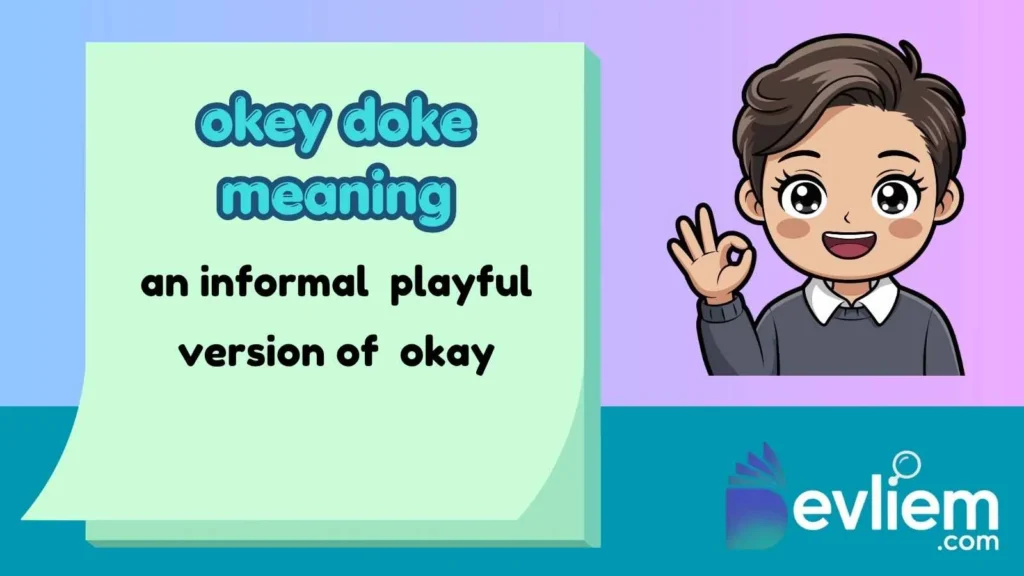
“Okey doke” is an informal, playful version of “okay”. People use it to agree, confirm something, or keep conversations light and friendly.
The phrase is basically a fun twist on the word “okay”.
Instead of saying:
- “Okay”
People say: - “Okey-doke”
- “Okie dokie”
- “Okey dokey”
Same meaning. Different vibe.
The expression became popular in American English during the early 20th century. Linguists believe it evolved as a rhyming variation of “okay”, mainly because humans love catchy phrases. Think of it like “easy peasy” or “super duper”. It’s playful language designed to sound fun.
By the 1950s and 1960s, “okey dokey” showed up regularly in TV shows, radio programmes, and cartoons. Parents started saying it to kids, which gave the phrase a wholesome, cheerful reputation.
Today, the meaning hasn’t changed much — but the tone has.
Depending on context, “okey doke” can sound
- Friendly
- Silly
- Casual
- Retro
- Sarcastic
- Passive-aggressive
Yep. Tone matters a lot.
Pronunciation Guide
Most people pronounce it like this:
OH-kee DOHK
Some stretch it out dramatically for humour:
“Oooookey doooooke.”
That’s usually done jokingly in texts or voice chats.
How to Use “Okey Doke” Correctly in Texts & Chat
Using “okey doke” is simple. The trick is understanding the mood behind it.
Casual & Friendly Situations
“Okey dokey” works best in relaxed conversations where you want to sound approachable or upbeat.
Examples:
- Confirming plans
- Responding to requests
- Agreeing casually
- Keeping chats playful
Example:
“Dinner at 8?”
“Okey doke 👍.”
That feels warmer than just “ok”.
Platform-Specific Usage
SMS & WhatsApp
People use it casually with friends, siblings, or parents.
Example:
“Can you grab snacks?”
“Okey doke.”
It often sounds cheerful or cooperative.
Instagram DMs
Usually used ironically or humorously.
Example:
“You’re posting 14 selfies again?”
“Okey doke 😌.”
That little emoji changes everything.
Discord & Gaming Chats
Gamers sometimes use it jokingly after instructions.
Example:
“Defend the left side.”
“Okey doke, Captain.”
Slightly goofy. Slightly sarcastic.
Reddit & Twitter/X
Online, it can lean sarcastic depending on the context.
Example:
“Sure, because that totally makes sense.”
“Okey doke.”
Translation:
“I disagree, but I’m done arguing.”
When NOT to Use Okey Doke
There are definitely situations where it sounds too informal.
Avoid using it in:
- Job interviews
- Formal emails
- Academic writing
- Professional presentations
- Customer complaints
Imagine emailing your boss:
“Okey doke, I’ll finish the quarterly report.”
Technically understandable. Emotionally chaotic.
Better options:
- Sounds good
- Understood
- Absolutely
- Will do
Formatting Tips
Capitalization
All of these are common:
- okey doke
- Okey Doke
- okey dokey
- Okie dokie
No strict rules exist.
Emoji Pairings
People often pair it with:
- 👍
- 😄
- 😌
- 😂
- 🫡
These usually soften the tone.
Real Conversation Examples Using “Okey Doke”
Between Friends
Alex: “Movie night at my place?”
Jordan: “Okey dokey, I’ll bring snacks.”
Meaning: Friendly agreement with an upbeat tone.
In a Dating Chat
Taylor: “Don’t roast my music taste.”
Sam: “Okey doke… no promises.” 😂
Meaning: Playful teasing and flirtation.
Family Group Chat
Mom: “Please call Grandma today.”
Chris: “Okey dokey!”
Meaning: Cooperative and light-hearted.
Workplace Chat
Manager: “Can you update the spreadsheet?”
Employee: “Okay, will do.”
Notice something?
Most professionals avoid “okey-doke” because it can sound overly casual or childish in work settings.
Gaming Voice Chat
Squad Leader: “Stick together this round.”
Player: “Okey doke, boss man.”
Meaning: Friendly sarcasm mixed with agreement.
Common Mistakes & Misunderstandings
1. Thinking It’s Always Sarcastic
Some people assume “okey-doke” automatically means someone is annoyed.
Not true.
Tone and context decide whether it’s sincere or sarcastic.
Text example:
“Okey doke :)” = friendly
“okey doke…” = possibly irritated
Tiny differences matter online.
2. Using It in Professional Situations
You probably shouldn’t say the following:
“Okey dokey, your legal documents are attached.”
That sounds way too casual for serious communication.
Save it for informal chats.
3. Confusing Generational Tone
Older generations may use it genuinely.
Gen Z sometimes uses it ironically.
That creates funny misunderstandings.
A parent might say:
“Okey dokey!”
A teenager might read it as the following:
“Why does this sound like a cartoon character?”
Neither side is wrong. Internet language evolves fast.
“Okey Doke” Across Different Platforms & Demographics
Gen Z Usage
Gen Z often uses “okey-doke” ironically or humorously.
It has that “deliberately uncool” energy that younger internet culture loves.
Kind of like:
- “brother”
- “yapping”
- “goofy ahh”
- “silly little guy”
The phrase feels retro in a funny way.
Millennials
Millennials tend to use it sincerely.
Many grew up hearing it from parents, teachers, and TV shows. For them, it’s nostalgic rather than ironic.
Older Generations
Boomers and Gen X often use “okey dokey” naturally in speech.
For many older speakers, it’s just a warm alternative to “okay”.
No irony involved whatsoever.
TikTok & Meme Culture
TikTok helped revive older phrases in ironic ways.
Creators now use “okey doke” in the following:
- skits
- reaction videos
- sarcastic captions
- fake customer-service memes
Example:
“When your professor assigns a 12-page essay overnight.”
“Okey doke.”
That contrast creates the joke.
Is It Safe for Work?
Mostly no.
It’s harmless but extremely informal.
Use standard language in:
- business emails
- LinkedIn messages
- client communication
Casual Slack chats? Maybe.
Formal meeting recap? Absolutely not.
Related Slang, Abbreviations & Alternatives
| Term | Meaning |
|---|---|
| OK | Standard agreement or confirmation |
| Okie dokie | Another playful version of okay |
| Bet | Modern slang for “okay” or “agreed” |
| Say less | “I understand” or “consider it done.” |
| Sounds good | Friendly agreement |
| Roger that | Military-style acknowledgement. |
| Cool beans | Silly enthusiastic agreement |
| Yup | Casual, yes. |
| Alrighty | Cheerful confirmation |
| K | A short, sometimes cold version of okay |
Similar Expressions
- “No problemo”
- “You got it.”
- “For sure”
- “Absolutely”
Opposite Tone
If “okey doke” sounds cheerful, the opposite vibe might be
- “K.”
- “Fine.”
- “Whatever.”
One feels warm. The others start arguments.
FAQs:
What does ‘okey doke’ mean in texting?
In texting, “okey doke” means “okay” or “sure”. It’s usually used to sound more playful, friendly, or humorous than a plain “ok”.
Is ‘okey-doke’ old-fashioned?
A little, yes. The phrase has a retro feel because it became popular decades ago. But younger internet users still use it ironically and jokingly in 2026.
Is there a difference between ‘okey doke’ and ‘okie dokie’?
Not really. They mean the same thing. The spelling simply changes based on personal preference or regional habits.
Why do people say okey dokey instead of okay?
People use it because it sounds friendlier and more expressive. It adds personality to conversations in a way that plain “okay” sometimes doesn’t.
Can ‘okey doke’ sound sarcastic?
Definitely. Depending on punctuation and tone, it can sound playful, passive-aggressive, or dismissive. Context matters a lot online.
Conclusion
Language online changes constantly, but some phrases refuse to disappear. ‘Okey doke’ is one of them.
The reason is simple: it feels human. It’s warmer than K, less formal than “understood”, and more playful than plain “okay”. Whether people use it sincerely or ironically, the phrase still works.
Now that you understand the full ‘okey doke’ meaning, you’ll spot the tone instantly in texts, memes, TikTok comments, and group chats.
And honestly? Sometimes ‘okey doke’ just sounds more fun.
Drop your favourite text abbreviation in the comments below or send this guide to someone who still thinks LOL means ‘lots of love’.

Hi, I’m Emily Taylor, the voice behind Devliem.com, where meanings aren’t just explained, they’re made easy to understand.
I’ve always been fascinated by words, the way they change, evolve, and sometimes confuse us more than they should. That curiosity turned into a mission: to break down complex meanings, trending slang, and everyday expressions into something clear, simple, and actually useful.