Ever seen someone comment ‘salute’ under a post and wondered what they actually meant? You’re not alone.
The phrase ‘salute’ meaning has grown beyond military gestures and formal greetings. Today, it lives in memes, chats, captions, gaming communities, and everyday online culture.
Language moves fast. One minute a word sounds old-school, the next it’s trending in comment sections.
That’s exactly what happened with the salute.
It now carries meanings like respect, appreciation, recognition, and even playful approval.
In this updated 2026 guide, you’ll learn what salute means in traditional English, what it means in slang, how people use it in texts, and when to use it yourself without sounding awkward.
We’ll also cover examples, common mistakes, platform trends, and related slang terms.
If you’ve ever thought, “Wait… why are people saying salute?” — this guide has you covered.
What Does “Salute” Mean?
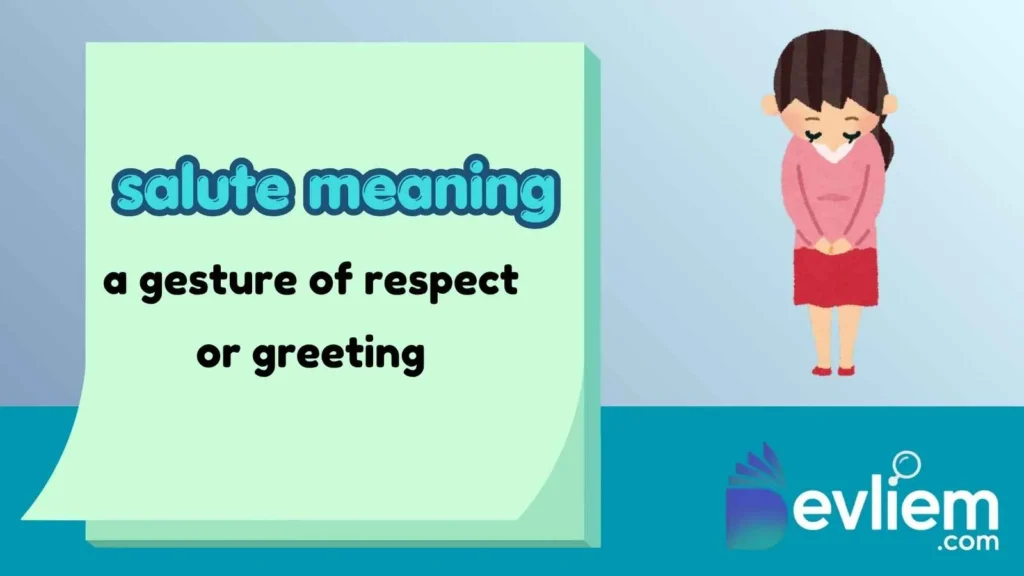
Traditionally, salute‘salute’ means a gesture of respect or greeting. Think of military personnel raising a hand to the forehead. It can also mean honouring someone verbally.
In modern slang, ‘salute’ means the following:
- Respect
- Credit where it’s due
- Admiration
- Recognition
- Support
Quick Answer
Salute meaning in modern chat slang = “I respect that,” “Well done,” or “Much respect”.
Origin of the Word
The word comes from the Latin “salutare”, meaning “to greet”. It entered English centuries ago as a formal greeting or respectful gesture.
How Meaning Evolved
Over time, online culture shortened and reshaped it. Instead of physically saluting, users now type “salute” or use 🫡 to show recognition.
Pronunciation
suh-LOOT
How to Use “Salute” Correctly in Texts & Chat
The modern use of a salute depends on tone. It’s usually positive and supportive.
Casual Use
Perfect for:
- Congratulating someone
- Respecting hustle
- Praising loyalty
- Acknowledging effort
Examples:
- “You worked 14 hours straight? Salute.”
- “Stayed loyal the whole time. Salute 🫡”
Platform-Specific Usage
SMS / Texting
Short and direct:
- “Passed your exam? Salute.”
Often paired with emojis:
- “Big move, bro. Salute 🫡🔥.”
Instagram DMs / Comments
Used under achievements:
- “Started your business at 20? Salute.”
Twitter/X
Used for witty approval:
- “Anyone who logs out after one tweet war deserves a salute.”
Discord / Gaming
Respect after clutch plays:
- “1v4 win? Salute.”
Often ironic or genuine depending on subreddit tone.
When NOT to Use It
Avoid in:
- Job applications
- Academic essays
- Formal emails
- Serious condolences (unless culturally normal)
Formatting Tips
- lowercase = casual (“salute”)
- uppercase = dramatic (“SALUTE!”)
- emoji combo = 🫡🔥👏
Real Conversation Examples Using “Salute”
Between Friends
A: I deleted TikTok for finals.
B: Salute. Strong move.
Meaning: Respect for discipline.
Dating Chat
A: He planned the whole date himself.
B: Salute him, honestly.
Meaning: Giving credit.
Family Group Chat
Mom: Dinner ready for 12 people.
Son: Salute, Chef. 🫡
Meaning: Appreciation with humour.
Work Chat
Coworker: Finished the report before deadline.
You: Salute. Saved the team.
Meaning: Recognition of effort.
Gaming Chat
Player 1: I revived everyone solo.
Player 2: Salute, legend.
Meaning: Admiration.
Common Mistakes & Misunderstandings
1. Thinking It Only Means Military Gesture
Many people assume ‘salute’ only refers to soldiers. That’s outdated in digital spaces.
2. Using It in Serious Formal Writing
Example:
“Dear Professor, salute to extending the deadline.”
Nope. Don’t do that.
3. Misreading Sarcasm
Sometimes “salute” can be ironic.
Example:
“You forgot your passport again? Salute, genius.”
Tone matters.
Generational Confusion
Older users may read it literally. Younger users often understand it as praise.
Cultural Differences
In some regions, ‘salute’ still feels formal. In others, it’s common street slang.
“Salute” Across Different Platforms & Demographics
Gen Z
Uses ‘salute’ casually for respect and memes.
- “Bro left a toxic job. Salute.”
Millennials
Use it less often, but understand it.
Older Generations
More likely to interpret it traditionally.
TikTok
Common in comments under glow-ups, business successes, and fitness transformations.
Popular under hustle or achievement posts.
Discord
Used after strong gameplay or teamwork.
Safe for Work?
Mostly yes, if casual workplace culture exists. Still avoid formal business communication.
Related Slang, Abbreviations & Alternatives
| Term | Meaning |
|---|---|
| Respect | Admiration |
| Props | Credit given |
| W | Win / success |
| Big up | Praise someone |
| Legend | Highly admired person |
| Real one | Loyal person |
| Solid | Reliable / good |
| King / Queen | Compliment |
| Clap for that | Recognition |
| Hats off | Respectful praise |
Learn more about W meaning, props meaning, and real one meaning.
Synonyms
- respect
- credit
- admiration
- praise
Opposites
- disrespect
- criticism
- shade
- mockery
FAQs:
What does ‘salute’ mean in texting?
It usually means respect, appreciation, or acknowledgement. Someone is recognising another person’s action or achievement.
What does ‘salute’ mean from a guy?
Usually admiration or approval. Context matters—it can be friendly, supportive, or playful.
Is a salute flirting?
Sometimes, but not always. If paired with compliments, it may show attraction.
What emoji means salute?
🫡 is the official salute emoji and often means respect or acknowledgement.
Can I say ‘salute’ in real life?
Yes. Many people say it casually as slang, especially among friends.
Conclusion:
The meaning of ‘salute’ has evolved far beyond formal gestures.
Today it’s a quick, cool way to show respect, approval, or recognition online and in real life.
It works in chats, comments, gaming, and casual conversations. Use it when someone deserves credit. Skip it in formal settings.
Now you know exactly how to use ‘salute’, meaning like a pro, in 2026.
Drop your favourite text abbreviation in the comments below.
Explore more slang: ‘W’ meaning ‘bet’ meaning No cap meaning.

Hi, I’m Emily Taylor, the voice behind Devliem.com, where meanings aren’t just explained, they’re made easy to understand.
I’ve always been fascinated by words, the way they change, evolve, and sometimes confuse us more than they should. That curiosity turned into a mission: to break down complex meanings, trending slang, and everyday expressions into something clear, simple, and actually useful.