Viscose is one of the most widely used fabrics in the fashion and textile industry, yet many people are unsure what it actually is.
If you’ve ever wondered about the viscose meaning, you’re not alone.
Often described as a semi synthetic fabric, viscose is made from natural wood pulp that undergoes a specialized manufacturing process to create soft, breathable fibers.
Thanks to its silk-like texture and affordable price, it has become a popular choice for clothing, home furnishings, and various textile products.
In this guide, you’ll learn the meaning of viscose, how it’s made, its key properties, advantages and disadvantages, common uses, and how it compares with fabrics like cotton, rayon, polyester, and silk.
By the end, you’ll have a complete understanding of why viscose remains one of the world’s most popular textile materials.
What Does Viscose Mean?
Viscose is a type of rayon fabric produced by transforming purified cellulose—usually extracted from wood pulp or bamboo—into soft textile fibers through a chemical manufacturing process.
Quick Definition
| Term | Meaning |
|---|---|
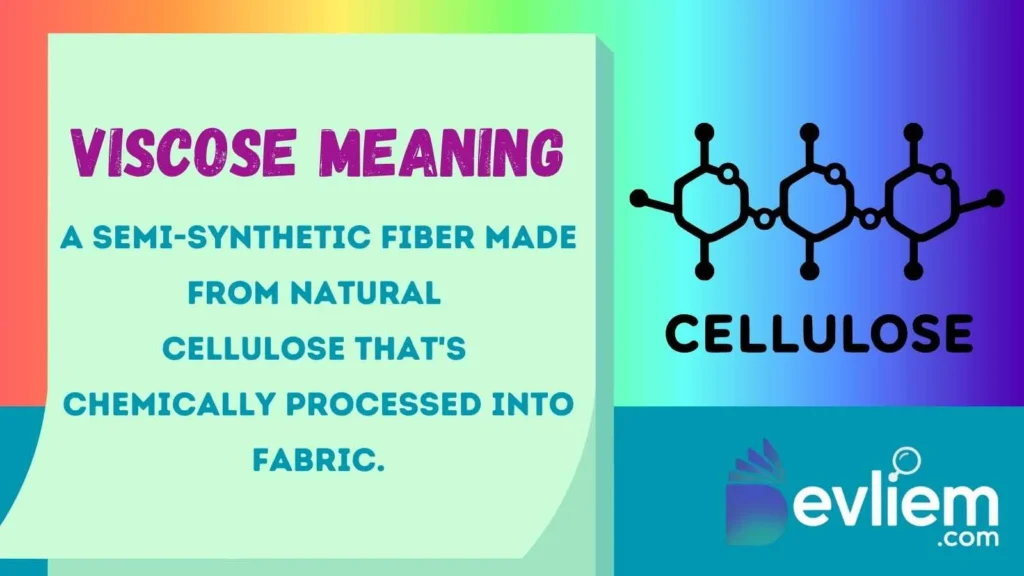
| Viscose | A semi-synthetic fiber made from natural cellulose that’s chemically processed into fabric. |
| Category | Rayon |
| Main Source | Wood pulp, bamboo, eucalyptus, beech, or pine trees |
| Common Uses | Clothing, dresses, shirts, linings, bedding, scarves, upholstery |
Although viscose begins with natural plant material, the manufacturing process significantly changes it, so it’s generally classified as semi-synthetic rather than completely natural.
Is Viscose a Natural or Synthetic Fabric?
This question causes plenty of confusion.
The answer is both—and neither entirely.
Viscose starts with natural cellulose, but manufacturers dissolve and regenerate the fibers using chemical treatments before spinning them into yarn.
That means:
- It isn’t 100% natural like cotton or linen.
- It isn’t fully synthetic like polyester or nylon.
- Instead, it’s considered regenerated cellulose fiber or semi-synthetic fabric.
Think of it as a bridge between natural and synthetic textiles.
Where Does the Word “Viscose” Come From?
The name viscose comes from the word viscous, meaning thick and sticky.
During manufacturing, dissolved cellulose forms a thick liquid solution before it’s turned into fibers. Early textile manufacturers referred to this solution as viscose, and eventually the finished fabric inherited the same name.
A Brief History of Viscose
Viscose has been around for more than a century.
Scientists in Europe developed the process during the late 1800s while searching for a more affordable alternative to silk.
Their goal was ambitious: create a fabric that looked elegant without carrying the high price tag of genuine silk.
The result became known as artificial silk, and over time it evolved into what we now call viscose rayon.
Today, viscose is produced worldwide and appears in everything from luxury fashion collections to everyday clothing.
What Is Viscose Made From?
The main ingredient is cellulose, the structural material found in plant cell walls.
Common sources include:
- Eucalyptus trees
- Beech trees
- Pine trees
- Bamboo
- Spruce
- Other sustainably managed forests
Manufacturers extract the cellulose, convert it into a liquid solution, then spin it into fine fibers before weaving or knitting the finished fabric.
Common Characteristics of Viscose
One reason viscose remains popular is its balance of comfort, appearance, and affordability.
It typically feels:
- Soft
- Smooth
- Lightweight
- Breathable
- Comfortable against the skin
It also offers:
- Excellent drape
- Vibrant color absorption
- Silk-like appearance
- Comfortable airflow
- Good moisture absorption
These qualities explain why designers frequently choose viscose for flowing garments and lightweight clothing.
Common Uses of Viscose
You probably own several viscose items without realizing it.
It’s commonly found in:
- Dresses
- Blouses
- T-shirts
- Skirts
- Scarves
- Pajamas
- Linings
- Curtains
- Bedsheets
- Upholstery fabrics
Fashion brands often blend viscose with cotton, polyester, elastane, or linen to improve durability or stretch.
Advantages of Viscose
Many shoppers choose viscose because it offers several practical benefits.
Pros
- Extremely soft texture
- Lightweight and breathable
- Comfortable in warm weather
- Absorbs moisture well
- Drapes beautifully
- Takes dye exceptionally well
- Often more affordable than silk
Its luxurious appearance makes it a favorite for elegant clothing without luxury-level prices.
Disadvantages of Viscose
Despite its strengths, viscose isn’t perfect.
Cons
- Wrinkles easily
- Can shrink if washed incorrectly
- Weaker when wet
- May require gentle washing
- Less durable than cotton or polyester
- Some production methods have environmental concerns
Proper garment care makes a noticeable difference in how long viscose clothing lasts.
How to Care for Viscose Clothing
Because viscose fibers become weaker when soaked, it’s worth following the care label carefully.
General care tips include:
- Wash on a gentle cycle or hand wash.
- Use cool or lukewarm water.
- Avoid high heat.
- Air dry whenever possible.
- Iron on a low setting if needed.
- Don’t twist or wring the fabric aggressively.
Following these steps helps reduce shrinking and keeps the fabric looking its best.
Is Viscose the Same as Rayon?
Almost—but not exactly.
Many people use the terms interchangeably.
Here’s the difference:
| Rayon | Viscose |
|---|---|
| General category of regenerated cellulose fibers | A specific type of rayon made using the viscose process |
| Includes several manufacturing methods | Refers specifically to the viscose production method |
In everyday shopping, you’ll often see “rayon” and “viscose” used almost as synonyms.
Viscose vs Cotton
Both fabrics feel comfortable, but they perform differently.
| Feature | Viscose | Cotton |
|---|---|---|
| Origin | Semi-synthetic | Natural |
| Softness | Very soft | Soft |
| Breathability | Excellent | Excellent |
| Durability | Moderate | High |
| Wrinkle Resistance | Lower | Moderate |
| Moisture Absorption | High | High |
Cotton usually lasts longer, while viscose often provides a smoother, silkier finish.
Viscose vs Polyester
These fabrics serve different purposes.
| Feature | Viscose | Polyester |
|---|---|---|
| Feel | Soft and natural | Smooth but synthetic |
| Breathability | Better | Lower |
| Wrinkle Resistance | Lower | Higher |
| Moisture Absorption | High | Low |
| Environmental Source | Plant cellulose | Petroleum-based |
Polyester is generally more durable, while viscose is often more comfortable in warm weather.
Is Viscose Environmentally Friendly?
The answer depends on how it’s produced.
Because viscose comes from renewable plant material, it has some environmental advantages over petroleum-based fibers.
However, traditional manufacturing can involve chemicals that require responsible handling.
Today, many companies source wood pulp from certified forests and use cleaner production methods to reduce environmental impact.
If sustainability matters to you, look for certifications indicating responsible forestry and improved manufacturing practices.
Common Misunderstandings About Viscose
Several myths continue to circulate.
“Viscose is plastic.”
No. It comes from plant-based cellulose, not petroleum.
“Viscose is completely natural.”
Not exactly. Natural wood pulp undergoes extensive chemical processing.
“Viscose always shrinks.”
Only if it’s washed or dried improperly.
“Viscose is poor quality.”
Not at all. High-quality viscose is widely used by premium fashion brands because of its elegant appearance and comfort.
How to Identify Viscose Clothing
The easiest way is by checking the care label.
You might see:
- 100% Viscose
- Viscose Rayon
- Rayon
- Viscose Blend
Manufacturers often combine viscose with other fibers to improve durability, stretch, or wrinkle resistance.
Similar Textile Terms
If you’re learning about fabrics, you may also come across:
- Rayon
- Modal
- Lyocell
- Tencel™
- Bamboo rayon
- Acetate
- Polyester
- Cotton
- Linen
Internal linking idea: Create related guides for rayon meaning, modal fabric, lyocell vs viscose, polyester meaning, and cotton vs rayon to build topical authority.
How Does Viscose Feel When You Wear It?
One of the biggest reasons people choose viscose is how comfortable it feels against the skin. The fabric has a smooth, silky texture that many people compare to high-end materials without the premium price tag. Unlike some synthetic fabrics that can feel stiff or trap heat, viscose is generally lightweight and breathable.
Because it drapes naturally instead of clinging to the body, it’s a popular choice for:
- Summer dresses
- Loose-fitting shirts
- Wide-leg pants
- Blouses
- Scarves
- Sleepwear
People with sensitive skin often appreciate its soft touch, although individual experiences can vary depending on the fabric blend.
Why Fashion Brands Love Using Viscose
Walk through almost any clothing store and you’ll likely find viscose in multiple collections. That’s because it gives designers flexibility without significantly increasing production costs.
Brands often choose viscose because it:
- Mimics the elegant appearance of silk
- Accepts dyes exceptionally well
- Produces rich, vibrant colors
- Creates flowing garments with excellent drape
- Blends easily with cotton, linen, or polyester
- Offers a premium feel at an affordable price
This combination makes it suitable for both everyday clothing and more formal styles.
Is Viscose Good for Hot Weather?
Yes, in many cases.
Viscose absorbs moisture better than many synthetic fabrics and allows air to circulate more freely. This can help keep you feeling cooler during warm weather.
It’s especially popular for:
- Summer shirts
- Beach cover-ups
- Maxi dresses
- Lightweight trousers
- Vacation clothing
However, because viscose absorbs moisture, it may take longer to dry than polyester if it becomes wet.
Can Viscose Be Worn During Winter?
Although viscose is commonly associated with summer clothing, it also works well in cooler seasons when layered properly.
You’ll often find viscose in:
- Sweaters blended with wool
- Cardigans
- Long-sleeve dresses
- Thermal layering pieces
- Scarves
Its softness adds comfort, while blended fabrics provide extra warmth.
What Does a Clothing Label Mean When It Says “100% Viscose”?
If a garment label reads 100% viscose, it means the entire fabric is made from regenerated cellulose fibers without blending in materials like cotton, polyester, or elastane.
This often results in:
- Better drape
- Softer texture
- Enhanced breathability
At the same time, pure viscose may wrinkle more easily and require gentler care than blended fabrics.
How Viscose Is Different From Silk
Although viscose is often described as “artificial silk,” the two materials are very different.
| Feature | Viscose | Silk |
|---|---|---|
| Source | Plant cellulose | Silkworm cocoons |
| Cost | Affordable | Premium |
| Feel | Smooth and soft | Luxuriously smooth |
| Breathability | Excellent | Excellent |
| Care | Moderate | Delicate |
Viscose captures much of silk’s elegant appearance while remaining accessible to a wider range of shoppers.
Is Viscose Stretchy?
On its own, viscose has very little natural stretch.
If you notice a stretchy viscose garment, it’s usually because manufacturers have blended it with fibers such as:
- Elastane
- Spandex
- Lycra
These blends improve flexibility while maintaining the softness that viscose is known for.
Does Viscose Wrinkle Easily?
Yes.
Wrinkling is one of the fabric’s biggest drawbacks. Since viscose fibers don’t naturally spring back into shape as well as polyester, wrinkles can develop after sitting, folding, or packing.
To reduce wrinkles:
- Hang garments after washing.
- Fold them carefully when traveling.
- Use a low-temperature iron or garment steamer.
- Avoid overcrowding your closet.
Who Should Choose Viscose?
Viscose is a great option for people who value comfort and style.
It may be ideal if you:
- Prefer lightweight clothing.
- Want a fabric with a luxurious appearance.
- Like breathable materials.
- Need comfortable office wear.
- Enjoy flowing fashion styles.
If durability is your highest priority, fabrics like cotton or polyester may be a better fit.
Who Might Want to Avoid Viscose?
While viscose suits many wardrobes, it isn’t the best option for every situation.
You may want to consider alternatives if you:
- Frequently use high-heat dryers.
- Need workwear that withstands heavy use.
- Prefer wrinkle-resistant clothing.
- Don’t want garments that require gentle washing.
Understanding these trade-offs helps you choose the right fabric for your lifestyle.
Is Viscose Worth Buying?
For many shoppers, yes.
Viscose strikes a balance between comfort, appearance, and affordability that’s difficult to match. It feels noticeably softer than many synthetic fabrics and often gives garments a refined, elegant look.
Whether it’s “worth it” depends on your priorities. If you’re willing to follow the care instructions, viscose can be an excellent addition to your wardrobe.
Buying Tips Before Choosing Viscose Clothing
Before purchasing a viscose garment, take a moment to check a few details.
Read the care label carefully.
Look for quality stitching and construction.
Consider whether it’s a pure viscose fabric or a blend.
Think about how often you’ll wear it.
Choose reputable brands that use responsibly sourced fibers whenever possible.
A little attention before buying can help you select clothing that lasts longer and performs better.
Key Takeaways
If you’re short on time, here’s a quick recap:
- Viscose is a semi-synthetic fabric made from natural cellulose.
- It’s known for being soft, lightweight, and breathable.
- Many people choose it because it resembles silk at a lower cost.
- It works well for dresses, shirts, skirts, and summer clothing.
- Proper washing and drying are important to prevent shrinking and damage.
- While not as durable as cotton or polyester, it offers excellent comfort and an elegant appearance.
Why Viscose Is Often Called “Artificial Silk”
Long before modern synthetic fabrics became common, manufacturers wanted an affordable alternative to natural silk. Viscose became the answer because it offered a similar smooth texture, elegant drape, and soft shine at a much lower cost.
Although it doesn’t have the same natural protein fibers as silk, viscose creates a comparable look in many garments. That’s why you’ll often hear it described as “artificial silk” or “silk substitute.”
Today, many dresses, blouses, and scarves rely on viscose to achieve a luxurious appearance without making the final product expensive.
The Manufacturing Process Explained in Simple Terms
Many people are surprised to learn that viscose begins as wood.
Here’s a simplified version of how it’s made:
- Trees are harvested from managed forests.
- The wood is turned into purified cellulose pulp.
- The cellulose is dissolved using a chemical process.
- The liquid solution is pushed through tiny spinnerets.
- The new fibers harden into fine threads.
- The threads are spun into yarn.
- The yarn is woven or knitted into fabric.
This regeneration process is what gives viscose its classification as a regenerated cellulose fiber.
How Durable Is Viscose?
Viscose performs well for everyday fashion, but it’s not considered one of the toughest fabrics available.
Its durability depends on several factors:
- Fabric thickness
- Manufacturing quality
- Fiber blends
- Washing habits
- Frequency of wear
With careful handling, viscose clothing can last for years. However, rough washing, excessive stretching, or repeated exposure to high heat can shorten its lifespan.
Does Viscose Fade Over Time?
One advantage of viscose is its ability to absorb dyes deeply.
Because the fibers hold color well, many garments maintain their vibrant appearance after repeated wear. However, direct sunlight and harsh detergents can gradually reduce color intensity over time.
To preserve color:
- Wash inside out.
- Use mild detergent.
- Avoid prolonged sun exposure while drying.
- Wash with similar colors.
These simple habits help clothing stay looking newer for longer.
Why Viscose Is Popular in Premium Fashion
Luxury isn’t always about expensive materials. Sometimes it’s about how a fabric looks and feels.
Designers often choose viscose because it creates:
- Elegant movement
- Smooth silhouettes
- Rich-looking colors
- Comfortable wear
- Soft texture
Many premium clothing brands blend viscose with linen, silk, or cotton to create fabrics that balance beauty with practicality.
Does Viscose Shrink Permanently?
Shrinkage is one of the biggest concerns people have.
The good news is that permanent shrinkage usually happens only when garments are exposed to:
- Hot water
- High dryer temperatures
- Aggressive washing cycles
If cared for correctly, most viscose clothing maintains its original size and shape. Always follow the instructions on the garment’s care label instead of assuming it can be washed like cotton.
Can Viscose Be Ironed?
Yes, but it requires a gentle approach.
High temperatures can damage regenerated cellulose fibers, so it’s best to:
- Use a low heat setting.
- Iron the garment inside out.
- Place a thin pressing cloth over delicate fabrics.
- Steam lightly instead of pressing hard.
Many people find that steaming produces better results while reducing the risk of shiny marks.
Is Viscose Suitable for Sensitive Skin?
Because viscose has a soft, smooth surface, many people find it comfortable against their skin.
Its breathable nature also helps reduce overheating compared to some synthetic fabrics.
However, comfort can vary depending on:
- Fabric dyes
- Chemical finishes
- Individual skin sensitivity
- Fiber blends
If you have particularly sensitive skin, washing new garments before wearing them is often a good idea.
What Types of Clothing Commonly Use Viscose?
Viscose appears in a wide variety of garments because of its versatility.
Some of the most common examples include:
- Office blouses
- Casual T-shirts
- Evening dresses
- Lightweight jackets
- Wide-leg trousers
- Tunics
- Fashion scarves
- Kimonos
- Jumpsuits
- Children’s clothing
Its flowing nature makes it especially suitable for relaxed and elegant designs.
Common Fabric Blends That Include Viscose
Pure viscose isn’t the only option available.
Manufacturers frequently blend it with other fibers to improve performance.
Popular combinations include:
| Blend | Why It’s Used |
|---|---|
| Viscose + Cotton | Softer feel with improved durability |
| Viscose + Polyester | Better wrinkle resistance |
| Viscose + Linen | More breathable summer fabric |
| Viscose + Elastane | Added stretch and flexibility |
| Viscose + Wool | Extra warmth with softness |
Blended fabrics often combine the strengths of multiple materials while minimizing their weaknesses.
Signs of High-Quality Viscose Fabric
Not every viscose garment is made to the same standard.
Higher-quality viscose usually has:
- Even stitching
- Smooth texture
- Consistent color
- Strong seams
- Minimal loose threads
- Good recovery after gentle stretching
Examining these details before purchasing can help you choose garments that last longer.
Is Viscose Used Outside the Fashion Industry?
Absolutely.
Although clothing accounts for much of its use, viscose also appears in several everyday products.
These include:
- Decorative curtains
- Upholstery fabrics
- Bed linens
- Pillow covers
- Table runners
- Craft materials
- Medical textiles
- Non-woven hygiene products
Its versatility extends well beyond apparel.
What Should You Check Before Buying Viscose Clothing?
A quick inspection can help you make a smarter purchase.
Look for:
- Fabric composition label
- Washing instructions
- Stitching quality
- Overall fabric thickness
- Brand reputation
- Country of manufacture
- Blend percentage
These details often reveal more about a garment’s long-term quality than its appearance alone.
Interesting Facts About Viscose
Here are a few facts many shoppers don’t know:
- Viscose has been produced commercially for over a century.
- It was originally developed as an affordable silk replacement.
- The fabric can imitate the appearance of cotton, silk, or linen depending on how it’s woven.
- It absorbs moisture better than many synthetic fabrics.
- Millions of garments worldwide contain viscose fibers every year.
These facts explain why the material has remained popular despite changing fashion trends.
People Also Search For
Visitors researching viscose often look up related questions such as:
- Is viscose better than rayon?
- Does viscose stretch after washing?
- Is viscose comfortable in summer?
- Can viscose be tumble dried?
- Does viscose wrinkle easily?
- Is viscose environmentally friendly?
- What is the difference between viscose and modal?
- Is viscose suitable for formal wear?
- How long does viscose clothing last?
- Can viscose be machine washed?
Including answers to these related searches can improve your article’s topical coverage and increase its chances of appearing for long-tail search queries.
FAQs:
What does viscose mean in clothing?
Viscose refers to a soft, semi-synthetic fabric made from plant-based cellulose that’s chemically processed into fibers. It’s commonly used in dresses, shirts, skirts, blouses, and lightweight garments because of its smooth feel and attractive drape.
Is viscose better than cotton?
Neither is universally better. Cotton is usually more durable and easier to care for, while viscose feels silkier and drapes more elegantly. The better choice depends on how you plan to wear the garment.
Does viscose shrink after washing?
It can. Washing with hot water or drying at high temperatures may cause shrinkage. Following the care instructions helps preserve the fabric’s shape.
Is viscose breathable?
Yes. Viscose is generally breathable and absorbs moisture well, making it comfortable in warm or humid weather.
Is viscose expensive?
Viscose is usually more affordable than silk but may cost more than some basic synthetic fabrics. Prices vary depending on the garment’s quality, brand, and fiber blend.
Can viscose be worn in summer?
Absolutely. Its lightweight texture and moisture-absorbing properties make it a popular choice for warm-weather clothing.
Final Thoughts:
At first glance, “viscose” may seem like just another fabric name on a clothing label, but understanding what it means helps you make smarter buying decisions.
Viscose offers an appealing combination of softness, breathability, and elegant drape, making it a favorite for everything from everyday basics to sophisticated fashion pieces.
While it isn’t as durable as cotton or as wrinkle resistant as polyester, many people appreciate the comfort and luxurious feel it provides.
With proper care, viscose garments can remain beautiful and wearable for years.
The next time you spot “100% viscose” on a clothing tag, you’ll know you’re looking at a fabric made from natural cellulose
that’s been transformed into a smooth, versatile textile one that balances comfort, style, and affordability in a way few other materials can.

Hi, I’m Emily Taylor, the voice behind Devliem.com, where meanings aren’t just explained, they’re made easy to understand.
I’ve always been fascinated by words, the way they change, evolve, and sometimes confuse us more than they should. That curiosity turned into a mission: to break down complex meanings, trending slang, and everyday expressions into something clear, simple, and actually useful.