Ever met someone who just radiates energy? The kind of person who gets excited about small wins, laughs easily, and seems genuinely happy to be alive?
That’s what people call having a zest for life.
Understanding the zest for life meaning isn’t just about vocabulary; it’s about recognising a mindset that’s increasingly valued in today’s fast-paced, often stressful world.
Whether you’re writing, speaking, or simply trying to improve your outlook, this phrase pops up more than you might expect.
In this updated 2026 guide, you’ll learn exactly what zest for life means, where it comes from, how to use it naturally, and how it shows up in real conversations.
We’ll also break down common mistakes, related expressions, and cultural context so you don’t just understand it; you actually use it like a pro.
What Does “Zest for Life” Mean?
Zest for life means having strong enthusiasm, excitement, and passion for living.
It describes someone who approaches life with energy, positivity, and curiosity.
Quick Answer:
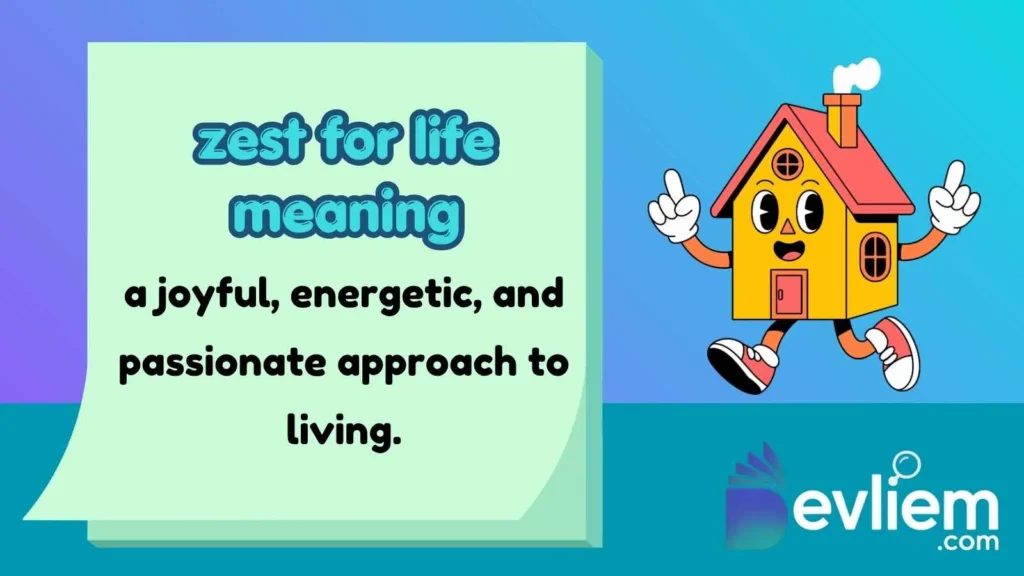
Zest for life = a joyful, energetic, and passionate approach to living.
Origin of the Phrase
The word “zest” originally referred to citrus peel used to add flavour—especially in cooking. Over time, it evolved metaphorically to mean something that adds excitement or spice.
By the 19th and 20th centuries, “zest for life” became a common English expression used in literature and everyday speech to describe vibrant personalities.
How the Meaning Evolved
- Then: A poetic way to describe lively individuals
- Now: A widely used phrase in self-help, psychology, and social media
Today, it’s closely tied to ideas like the following:
- Positive mindset
- Emotional well-being
- Personal growth
Pronunciation Guide
- Zest: /zɛst/
- Phrase: zest for life (sounds exactly how it looks)
How to Use “Zest for Life” Correctly in Texts & Chat
This phrase is flexible—but tone matters.
Where It Fits Naturally
- Casual conversations
- Motivational posts
- Compliments
- Personal bios
Where It Doesn’t Fit
- Formal business emails
- Legal or technical writing
- Serious or negative discussions
Platform-Specific Usage
- WhatsApp/SMS:
“You’ve got such a zest for life; it’s inspiring!” - Instagram captions:
“Chasing sunsets with a zest for life ✨.” - Twitter/X:
“We need more people with a zest for life in this world.” - LinkedIn (light use only):
“Bringing a zest for life into my work and growth journey.” - Discord/Reddit:
Often used in discussions about personality or mindset
Formatting Tips
- No abbreviation—write it fully
- Can be paired with emojis: ✨🔥🌿
- Avoid overusing it—it loses impact
Real Conversation Examples Using “Zest for Life”
1. Between Friends
A: “How are you always so energetic?”
B: “I guess I just have a zest for life!”
👉 Shows self-awareness and positivity
2. Dating Scenario
A: “What attracted you to her?”
B: “Her zest for life—it’s contagious.”
👉 Conveys admiration and emotional appeal
3. Family Setting
Mom: “Your grandfather had such a zest for life.”
👉 Reflects warmth and nostalgia
4. Workplace Chat
Colleague: “She brings a real zest for life to the team.”
👉 Professional but still human and friendly
5. Social Media Post
“Traveling solo taught me to rediscover my zest for life. 🌍”
👉 Expresses personal growth and reflection
Common Mistakes & Misunderstandings
1. Confusing It with Temporary Happiness
Wrong: “I had a zest for life at the party.”
👉 That’s just excitement—not a lifestyle trait
Correct: It describes a consistent attitude, not a moment.
2. Using It in Formal Contexts
Avoid in:
- Academic papers
- Legal writing
It can sound too emotional or vague.
3. Generational Misinterpretation
- Gen Z: May see it as slightly “motivational quote energy”
- Older generations: Use it more naturally in speech
4. Cultural Differences
In some cultures, expressing high enthusiasm publicly may seem exaggerated. So tone and context matter globally.
“Zest for Life” Across Different Platforms & Demographics
Gen Z vs Millennials vs Older Adults
- Gen Z: Uses it ironically or sincerely in captions
- Millennials: Common in self-growth and wellness content
- Older adults: Use it genuinely in speech and writing
Popular Platforms
- TikTok: Often used in voiceovers about self-discovery
- Instagram: Captions about travel, happiness, lifestyle
- Reddit: Discussions about personality traits
- YouTube: Motivational and lifestyle content
Is It Safe for Work?
✔ Yes—but use sparingly
✔ Best in soft professional contexts (team culture, bios)
❌ Not for strict corporate communication
Related Slang, Abbreviations & Alternatives
Here are similar expressions you can use:
- Passion for life – Strong emotional engagement
- Joie de vivre – French term for joy of living
- Full of life – Energetic personality
- High on life – Feeling naturally happy
- Living life to the fullest – Maximizing experiences
- Vibrant energy – Radiating positivity
- Positive vibes – Casual, modern slang
- Enthusiastic spirit – Slightly formal alternative
- Alive and thriving – Modern social media phrase
👉 Learn more about related terms like “positive vibes meaning” or “living your best life meaning” for deeper context.
FAQs:
What does zest for life mean in simple terms?
It means having strong enthusiasm and excitement about living. Someone with a zest for life enjoys experiences, stays positive, and approaches daily life with energy and curiosity.
Is zest for life a personality trait?
Yes, it’s often considered a positive personality trait. It’s linked to optimism, resilience, and emotional well-being and is commonly discussed in psychology and self-development.
How do you use zest for life in a sentence?
Example: “He has a zest for life that motivates everyone around him.”
It’s typically used to describe someone’s overall attitude, not a temporary mood.
What is another word for zest for life?
Common synonyms include enthusiasm, passion, vitality, and joie de vivre. Each carries a slightly different tone but similar meaning.
Can someone develop a zest for life?
Yes. While some people naturally have it, others can build it through gratitude, pursuing passions, maintaining health, and focusing on meaningful experiences.
Conclusion:
The zest for life meaning goes far beyond a simple phrase; it captures a whole way of living. It’s about energy, curiosity, and finding joy in both big moments and small details.
In everyday conversations, it works best as a compliment or a way to describe someone’s personality.
Used correctly, it instantly adds warmth and depth to your communication.
And honestly? In a world that often feels rushed and overwhelming, having a little more zest for life isn’t just useful; it’s powerful.
Got a favourite phrase or slang you want explained next? Drop it below and keep the conversation going.

Hi, I’m Emily Taylor, the voice behind Devliem.com, where meanings aren’t just explained, they’re made easy to understand.
I’ve always been fascinated by words, the way they change, evolve, and sometimes confuse us more than they should. That curiosity turned into a mission: to break down complex meanings, trending slang, and everyday expressions into something clear, simple, and actually useful.