Ever received a quick TY after helping someone and wondered what it meant? You’re not alone.
Text abbreviations move fast, and if you blink, a new one pops up.
But some classics stick around for years and TY is one of them.
The phrase ty meaning in text is searched by people of all ages because short-form digital language is now part of daily life.
Whether you’re chatting on WhatsApp, replying on Instagram, gaming on Discord, or texting friends, knowing these abbreviations helps you communicate smoothly.
The good news? TY is simple, friendly, and easy to use once you know the vibe behind it.
In this updated 2026 guide, you’ll learn what TY means, where it came from, how to use it naturally, real-life examples, common mistakes, and related slang terms people use today.
What Does “TY” Mean?
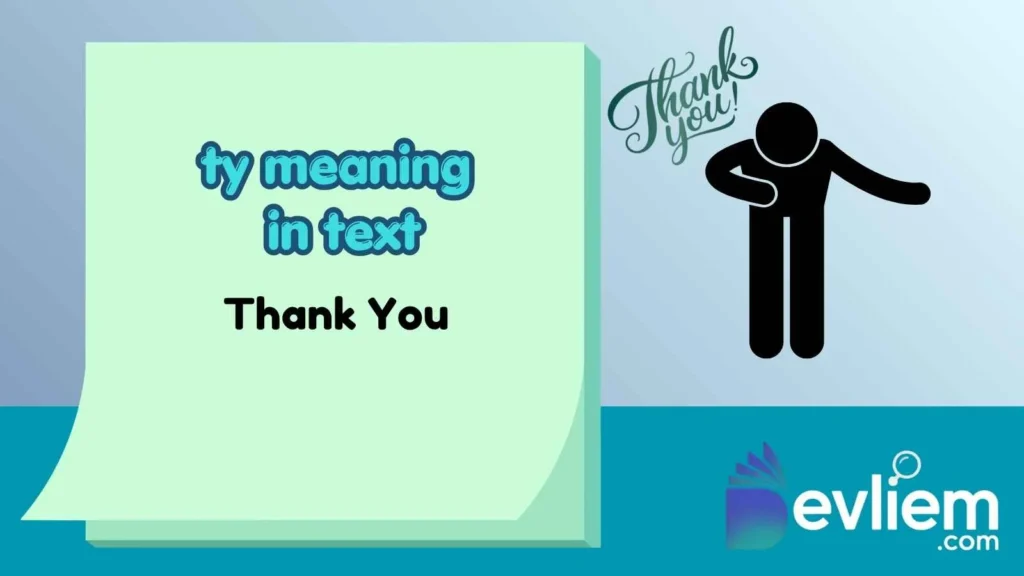
Quick Answer: TY means “Thank You.” It’s a casual abbreviation used in texts, chats, games, and social media.
The most common TY meaning in text is Thank You.
It’s a fast shorthand version people use when typing quickly or casually. Instead of spelling out “thank you,” they simply type TY.
Where Did TY Come From?
TY became popular during the early internet era—think chatrooms, SMS texting, AOL Messenger, and gaming lobbies. Back when people had limited characters and slower keyboards, abbreviations saved time.
Over the years, TY stayed popular because it’s fast, clear, and polite.
Pronunciation
Most people read it as:
- “tee-why”
- or mentally as “thank you”
Both are normal.
How Meaning Has Evolved
Originally practical, TY now also signals tone:
- Quick gratitude
- Friendly appreciation
- Casual acknowledgment
- Low-pressure politeness
Sometimes one tiny TY says more than a long paragraph.
How to Use “TY” Correctly in Texts & Chat
Using TY is easy—but context matters.
Best Situations to Use TY
Use TY when:
- A friend sends info
- Someone shares a link
- A teammate helps in a game
- Someone compliments you
- You receive a favor
Examples:
- TY for the reminder
- TY! That helped a lot
- TY 😊
Platform-Specific Use
SMS / Text Messages
Great for quick replies.
Very common in daily chats.
Instagram DMs
Used casually after replies or compliments.
X / Twitter
Short replies fit the platform style.
Discord / Gaming
Extremely common after support or teamwork.
Less common than “thanks,” but still seen.
When NOT to Use TY
Avoid TY in:
- Job applications
- Emails to professors
- Client communication
- Serious apologies
- Formal business messages
Instead write: “Thank you.”
Formatting Tips
- TY = neutral
- ty = softer/more casual
- TY!! = excited gratitude
- ty 😊 = warm and friendly
- ty lol = playful tone
Real Conversation Examples Using “TY”
Between Friends
Ava: I saved you a seat.
Mia: TY!
Meaning: Warm, casual appreciation.
Dating Chat
Noah: Had fun tonight, text me when home.
Lena: TY, just got back 😊
Meaning: Polite and affectionate.
Family Chat
Mom: I sent money for groceries.
You: TY Mom ❤️
Meaning: Appreciation with warmth.
Work Group Chat
Manager: Slides uploaded in the folder.
You: Thank you!
Meaning: Notice this uses full words. More professional.
Gaming Chat
Player1: Dropped armor behind you.
Player2: ty bro
Meaning: Fast gratitude mid-game.
Common Mistakes & Misunderstandings
1. Using TY in Formal Settings
Sending “TY” to your boss after a serious meeting can feel too casual.
Better: “Thank you for your time.”
2. Assuming Everyone Knows It
Some older users or non-native English speakers may not know TY instantly.
If unsure, just write full words.
3. Reading It as Cold or Lazy
Some people think TY feels short or dry. Tone depends on context.
Compare:
- TY. = abrupt
- TY 😊 = warm
- TYSM!! = enthusiastic
Generational Gap
- Gen Z sees TY as normal
- Millennials use it often
- Older users may prefer full phrases
If Someone Doesn’t Understand
Just say:
“TY means thank you.”
Simple fix.
“TY” Across Different Platforms & Demographics
Gen Z
Uses TY in:
- TikTok comments
- DMs
- Group chats
- Gaming voice-text combos
Often lowercase: ty
Millennials
Still common in texting and Slack-style casual chats.
Older Generations
May use full “thank you” more often.
Popularity by Platform
| Platform | Common? | Style |
|---|---|---|
| TikTok | High | quick comments |
| High | replies & DMs | |
| Discord | Very High | gaming/chat |
| High | daily texting | |
| Low | too informal | |
| Very Low | avoid |
Safe for Work?
Mostly no for formal communication. Fine for casual coworker chats if culture allows it.
Related Slang, Abbreviations & Alternatives
| Term | Meaning |
|---|---|
| TYSM | Thank You So Much |
| THX | Thanks |
| TQ | Thank You |
| TNX | Thanks |
| NP | No Problem |
| YW | You’re Welcome |
| Appreciate it | More personal thanks |
| Much appreciated | Polite gratitude |
| Cheers | Casual thanks (UK/common online) |
| Thanks a ton | Strong appreciation |
Synonyms
- Thanks
- Appreciate it
- Much love
- Grateful
Opposite Vibe
- Ignoring help
- No acknowledgment
- Dry response
FAQs:
What does TY mean in text messages?
TY usually means Thank You. It’s a fast, casual way to show appreciation in texts, social media, or chat apps.
Is TY rude?
No. TY is normally polite. But in formal settings, it may feel too brief. Use full “thank you” when professionalism matters.
What does TYSM mean compared to TY?
TYSM means Thank You So Much. It’s stronger and more enthusiastic than plain TY.
Can TY mean something else?
In most conversations, TY means Thank You. Rarely, niche communities may use it differently, but gratitude is the standard meaning.
Should I use TY in work messages?
Only in casual team chats where abbreviations are normal. For clients, bosses, or official emails, write “Thank you.”
Conclusion:
TY meaning in text is simple: it means Thank You. Short, useful, and still popular in 2026.
It works best in casual conversations, gaming chats, DMs, and quick texting moments where speed matters.
Use TY when the vibe is relaxed. Use Thank you when the moment matters more.
Drop your favorite text abbreviation in the comments below and explore more slang terms next.

Hi, I’m Emily Taylor, the voice behind Devliem.com, where meanings aren’t just explained, they’re made easy to understand.
I’ve always been fascinated by words, the way they change, evolve, and sometimes confuse us more than they should. That curiosity turned into a mission: to break down complex meanings, trending slang, and everyday expressions into something clear, simple, and actually useful.