Ever read a text message so sweet it made you roll your eyes and smile at the same time? Maybe someone said, “Stop being so mushy.
If you’ve ever wondered about mushy meaning, you’re not alone.
This little word shows up everywhere from relationship chats and TikTok captions to family banter and food reviews. Sometimes it describes a person acting extra emotional.
Other times, it describes mashed peas or overcooked cereal. Context is everything.
Knowing what “mushy” means matters in 2026 because language moves fast. Words once used casually now carry different tones online.
What sounded cheesy ten years ago may sound cute today.
In this guide, you’ll learn the full definition of mushy, where it came from, how people use it in texting, real life examples, common misunderstandings, and related slang terms. Updated for 2026.
What Does “Mushy” Mean?
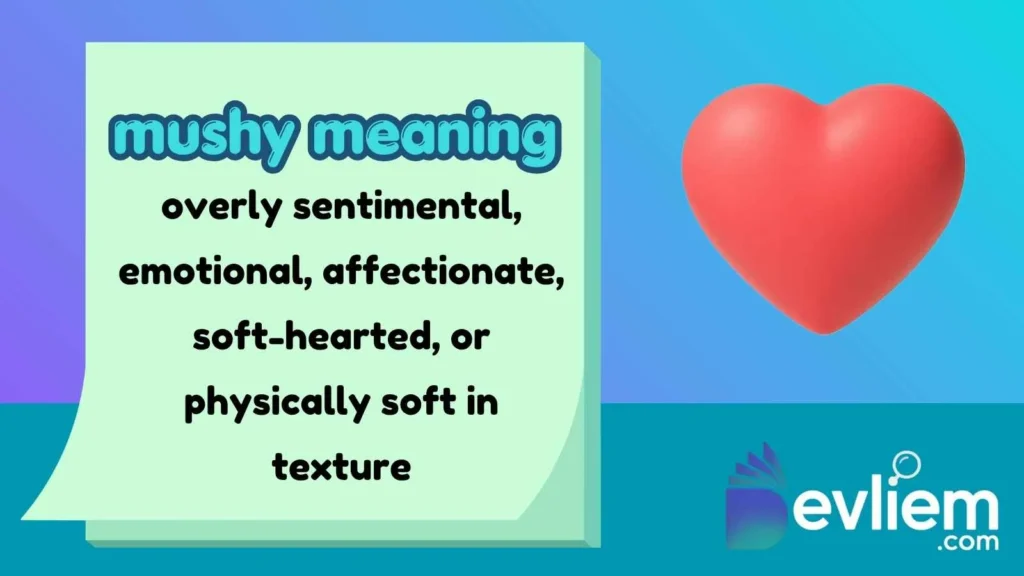
Quick Answer: Mushy means overly sentimental, emotional, affectionate, soft-hearted, or physically soft in texture.
The word “mushy” comes from mush, which historically referred to soft, mashed food. Over time, English speakers began using it metaphorically to describe emotions that feel soft, gushy, or overly sweet.
Today, mushy usually has two main meanings:
1. Emotional Meaning
Someone being very affectionate, romantic, or sentimental.
Example:
“He got mushy and wrote her a five-paragraph love text.”
2. Physical Meaning
Something soft, squishy, wet, or lacking structure.
Example:
“The fries were mushy.”
Pronunciation Guide
MUH-shee
/ˈmʌʃ.i/
How the Meaning Evolved
Originally used for texture, “mushy” became common in relationships, pop culture, and texting culture. In modern slang, it often means “cheesy but sweet.”
How to Use “Mushy” Correctly in Texts & Chat
“Mushy” is usually informal. It works best in casual conversations.
Correct Contexts
- Romantic messages
- Sweet birthday captions
- Emotional reunions
- Cute friendship posts
- Teasing someone lovingly
Examples:
- “Wow, that caption was mushy 😂”
- “He gets mushy when he misses her.”
- “Stop being mushy and just hug me.”
Platform-Specific Usage
SMS / Texting
Used to describe emotional messages.
Common in couples chats or family groups.
Instagram DMs
Often used for sweet captions or cringe-cute messages.
Twitter / X
Used jokingly: “Why am I suddenly mushy at 2 AM?”
Discord / Reddit
Often playful teasing among friends.
When NOT to Use It
Avoid in:
- Professional emails
- Formal presentations
- Academic writing
- Serious conflict discussions
Example to avoid:
“Our quarterly report was mushy.”
Formatting Tips
- lowercase = casual tone (“mushy”)
- ALL CAPS = dramatic teasing (“MUSHY”)
- Emoji pairings: ❤️🥹😂✨
Real Conversation Examples Using “Mushy”
Between Friends
A: Did Jake buy flowers again?
B: Yep. He’s getting mushy.
Meaning: Jake is acting sweet and romantic.
Dating Chat
A: I miss you already.
B: Wow, mushy today huh? ❤️
Meaning: Playful teasing about affection.
Family Group Chat
Mom: So proud of all of you kids.
Brother: Mom’s getting mushy again 😂
Meaning: Emotional and loving family message.
Work Chat
Boss: Great teamwork this week. Proud of everyone.
Coworker (private chat): That was surprisingly mushy.
Meaning: Unexpected emotional warmth.
Gaming Chat
Player 1: Bro saved my rank. Legend.
Player 2: Stop getting mushy and queue up.
Meaning: Friendly teasing after gratitude.
Common Mistakes & Misunderstandings
1. Thinking Mushy Always Means Romance
Not true. It can describe family affection, gratitude, or emotional moments too.
2. Confusing Emotional Mushy with Physical Mushy
“The rice is mushy” has nothing to do with feelings. It means too soft.
3. Assuming It’s an Insult
Sometimes it’s playful, not rude.
Example:
“You’re so mushy today” can mean “You’re sweet today.”
Generational Differences
- Gen Z: Often ironic or playful
- Millennials: Cute, cheesy affection
- Older generations: Sentimental or soft-hearted
Cultural Differences
In some cultures, public affection is less common, so “mushy” may sound more dramatic.
How to Clarify
Ask:
“Do you mean emotional mushy or soft-texture mushy?”
Simple and effective.
“Mushy” Across Different Platforms & Demographics
Gen Z Usage
Often ironic.
Example:
“Why am I mushy after one voice note?”
Millennials
Used sincerely in relationships.
Example:
“He wrote me a mushy anniversary post.”
Older Generations
More likely to use it for food or sentimental TV scenes.
TikTok Comments
- “This made me mushy ngl”
- “Why is this couple so mushy?”
Instagram Captions
Popular in anniversary posts.
Discord Servers
Used jokingly between friends.
Safe for Work?
Usually yes, but informal. Fine in casual office chats, not ideal in reports.
Related Slang, Abbreviations & Alternatives
| Term | Meaning |
|---|---|
| Cheesy | Overly romantic or corny |
| Sappy | Excessively emotional |
| Soft | Emotionally tender |
| Sweet | Kind and affectionate |
| Lovey-dovey | Publicly romantic |
| Cringe | Embarrassingly sentimental |
| Gooey | Extremely emotional |
| Tender | Warm-hearted |
| Corny | Old-fashioned sweet |
| Simp | Overly devoted romantically |
You may also want to learn more about sappy meaning, soft meaning in slang, or cheesy relationship captions.
FAQs:
Is mushy a compliment?
Sometimes yes. If said warmly, it means sweet or caring. If teased, it means overly emotional.
What does mushy mean in a relationship?
It means affectionate behavior like love notes, cuddly messages, or sentimental gestures.
Can girls and guys both be called mushy?
Absolutely. Anyone can act mushy.
What does mushy mean in texting?
It means a message sounds emotional, sweet, clingy, or affectionate.
Is mushy the same as clingy?
No. Mushy is affectionate. ‘Clingy’ implies unhealthy dependence.
Conclusion:
The full mushy meaning depends on context. It can describe emotions, relationships, or even soft food.
Online, mushy usually means sweet, sentimental, affectionate, or a little cheesy. Honestly? Sometimes that’s a compliment.
Next time someone calls you mushy, don’t panic. You might just be adorable.
Drop your favourite text abbreviation in the comments below!
Explore more slang: ‘soft’ meaning, ‘simp’ meaning, and ‘sappy’ meaning.

Hi, I’m Cross Read, the Writer and Creator behind devliem.com, where words stop being confusing and start making sense.
I’ve always been curious about language, how a single word can mean different things depending on context, culture, or even a trend. That curiosity turned into devliem, a space where I break down meanings, decode slang, and simplify the kind of terms people search every day.