Chipotle is a popular culinary term that refers to a smoke dried ripe jalapeño pepper known for its rich, smoky flavor and moderate heat.
While many people recognize the name from restaurants and sauces, the word itself has a fascinating history rooted in Mexican cuisine.
In this guide, you’ll learn the meaning of chipotle, its origin, pronunciation, flavor profile, common uses, and why it has become a favorite ingredient in kitchens around the world.
Meaning Overview
| Term | Meaning |
|---|---|
| Chipotle | A ripe jalapeño pepper that has been smoked and dried |
| Language Origin | Mexican Spanish (from the Nahuatl language) |
| Primary Context | Food and cooking |
| Internet Slang | Not generally considered slang |
| Common Association | Smoky peppers, Mexican food, and the Chipotle restaurant chain |
Quick Definition
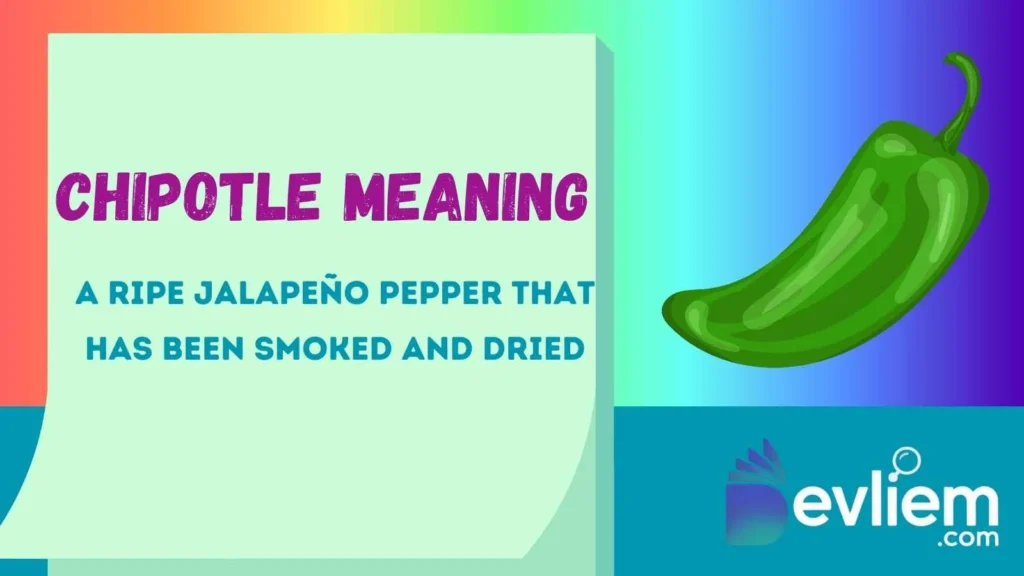
Chipotle is the name for a jalapeño pepper that has been allowed to ripen until red, then smoked and dried. The smoking process gives it a rich, earthy flavor that’s noticeably different from fresh jalapeños.
Today, many people also use the word to refer to the popular fast-casual restaurant brand or foods flavored with chipotle peppers.
Does Chipotle Have a Full Form?
No.
Chipotle is not an acronym or abbreviation. It doesn’t stand for multiple words.
Unlike internet abbreviations such as LOL, BRB, or IMO, chipotle is simply a standalone word with historical and linguistic roots.
The Origin and History of Chipotle
The word chipotle comes from the Nahuatl language, spoken by the Aztecs. It evolved from the word chilpoctli, which roughly translates to “smoked chili.”
Long before refrigeration existed, smoking peppers was an effective preservation method. Jalapeños have thick flesh that can spoil quickly, so drying them over smoke allowed them to last much longer while developing their signature smoky flavor.
As Mexican cuisine spread worldwide, chipotle peppers became a staple ingredient in:
- Sauces
- Marinades
- Salsa
- Barbecue recipes
- Tacos
- Burritos
- Soups
- Dressings
The name gained even greater recognition after the launch of Chipotle Mexican Grill, introducing millions of people to the word.
What Does Chipotle Mean in Food?
In cooking, chipotle refers to the pepper itself or the distinctive smoky flavor created from it.
For example:
- Chipotle mayo
- Chipotle salsa
- Chipotle chicken
- Chipotle sauce
- Chipotle seasoning
- Chipotle powder
When a menu lists chipotle, it’s usually describing a smoky, mildly spicy flavor rather than simply “hot.”
Many people are surprised to learn that chipotle and jalapeño come from the same pepper. The difference lies in how they’re prepared.
| Fresh Jalapeño | Chipotle Pepper |
|---|---|
| Green or red | Fully ripened red |
| Fresh | Smoked and dried |
| Bright, grassy flavor | Smoky, earthy flavor |
| Crisp texture | Dry texture |
What Does Chipotle Mean in Texting?
Unlike common texting abbreviations, chipotle doesn’t have a special hidden meaning in messages.
Most of the time, someone texting “Chipotle?” simply means:
- Do you want Chipotle for dinner?
- Should we order Chipotle?
- Let’s eat at Chipotle.
Example Conversations
Friend 1:
Dinner tonight?
Friend 2:
Chipotle?
Alex:
I’m starving.
Taylor:
Same. Chipotle sounds perfect.
Jordan:
What’s your comfort food?
Casey:
Definitely Chipotle after a long day.
The word almost always refers to either the restaurant or food.
What Does Chipotle Mean on Snapchat?
On Snapchat, chipotle generally keeps its literal meaning.
Users might post:
- A picture of their burrito bowl
- A food review
- A dinner invitation
- A late-night food run
Examples include:
- “Chipotle run 🥙”
- “Finally got my burrito bowl.”
- “Who’s coming to Chipotle?”
There isn’t a widely recognized Snapchat slang definition for the word.
What Does Chipotle Mean on TikTok?
On TikTok, chipotle usually appears in food-related content, including:
- Taste tests
- Secret menu hacks
- Burrito bowl recipes
- Healthy meal ideas
- Meal prep videos
- Funny customer experiences
Some creators also use “Chipotle” as shorthand for the restaurant when sharing lifestyle content.
For example:
- “My Chipotle order never misses.”
- “Trying every Chipotle protein.”
- “Best Chipotle hack you need to know.”
What Does Chipotle Mean on Instagram?
Instagram posts often feature Chipotle in:
- Food photography
- Lifestyle content
- Restaurant reviews
- Fitness meal ideas
- Travel recommendations
A caption might say:
“Post-workout dinner = Chipotle 🌯”
or
“Nothing beats extra guac.”
Again, the word refers to the food or restaurant rather than internet slang.
How People Commonly Use the Word
You’ll usually encounter chipotle in these situations:
Talking About Food
“This chipotle sauce has the perfect smoky flavor.”
Referring to the Restaurant
“Let’s grab Chipotle after work.”
Describing a Recipe
“Add chipotle peppers for extra depth.”
Ordering Online
“My Chipotle order is ready.”
Real Conversation Examples
At Work
Emma:
Lunch plans?
Ryan:
Thinking Chipotle.
At Home
Mom:
What should we cook tonight?
Son:
Chipotle chicken tacos!
Group Chat
Friend 1:
Movie night?
Friend 2:
Only if we get Chipotle.
Tone and Emotional Meaning
Although chipotle isn’t an emotional word by itself, it often carries positive associations.
People commonly connect it with:
- Comfort food
- Casual meals with friends
- Quick lunches
- Favorite restaurant orders
- Treat-yourself moments
Because of these associations, mentioning Chipotle can create a friendly, relaxed tone in conversations.
Situations Where You Should NOT Use Chipotle
Since chipotle is a real culinary term, avoid using it incorrectly.
Don’t assume it means “spicy.”
Chipotle specifically refers to smoked jalapeños, not every spicy pepper.
Don’t use it as internet slang.
Unlike words such as:
- LOL
- SMH
- FOMO
Chipotle isn’t a texting abbreviation.
Don’t confuse it with jalapeño.
They’re related but not identical in flavor because of the smoking process.
Common Misunderstandings
Myth 1: Chipotle is a different pepper.
Not true.
A chipotle starts as a jalapeño.
Myth 2: Chipotle always means the restaurant.
No.
The restaurant is named after the pepper.
Myth 3: Chipotle is extremely spicy.
Not necessarily.
Its flavor is often described as smoky, rich, and moderately spicy rather than intensely hot.
Similar Food Terms
People searching for chipotle often explore related pepper varieties.
| Term | Meaning |
|---|---|
| Jalapeño | Fresh chili pepper |
| Serrano | Hotter fresh pepper |
| Poblano | Mild pepper often stuffed |
| Ancho | Dried poblano pepper |
| Guajillo | Mild dried chili |
| Habanero | Very hot pepper |
| Cayenne | Thin, spicy pepper |
These peppers each bring different levels of heat and flavor to recipes.
Chipotle vs. Jalapeño
| Chipotle | Jalapeño |
|---|---|
| Smoked and dried | Fresh |
| Earthy flavor | Bright flavor |
| Rich aroma | Crisp aroma |
| Used in sauces | Used fresh or cooked |
| Brownish-red | Usually green |
Understanding this difference helps when following recipes or ordering food.
Cultural Context
Chipotle has become part of everyday language largely because Mexican-inspired cuisine has grown in popularity around the world.
Today, people recognize the word in several contexts:
- Grocery stores
- Restaurant menus
- Cooking shows
- Food blogs
- Recipe videos
- Social media
- Fast-casual dining
Its cultural significance extends beyond the pepper itself, representing a flavor profile that many people instantly recognize.
Related Meanings You May Also Like
If you’re interested in food terms or online expressions, you might also explore articles about:
- Jalapeño meaning
- Ancho pepper meaning
- Salsa meaning
- Guacamole meaning
- Burrito meaning
- Taco slang
- LOL meaning
- SMH meaning
- BRB meaning
- IMO meaning
These related topics can help readers better understand both culinary vocabulary and common internet language.
What Does Chipotle Taste Like?
Many people assume chipotle peppers are simply “hot,” but their flavor is much more complex. Because they’re smoked before being dried, they develop a rich, earthy taste with hints of wood smoke, sweetness, and mild fruitiness.
Instead of overwhelming a dish with heat, chipotle often adds depth and a lingering smoky finish. That’s why it’s commonly used in barbecue sauces, chili, tacos, soups, and creamy dressings.
People often describe the flavor as:
- Smoky
- Earthy
- Slightly sweet
- Mildly spicy
- Rich and savory
This unique combination makes chipotle different from many other chili peppers.
How Hot Is a Chipotle Pepper?
One of the most common questions people ask is whether chipotle peppers are extremely spicy.
The answer is no. Since a chipotle pepper is simply a smoked jalapeño, its heat level remains fairly similar.
| Pepper | Approximate Heat (Scoville Units) |
|---|---|
| Bell Pepper | 0 |
| Poblano | 1,000–2,000 |
| Chipotle | 2,500–8,000 |
| Jalapeño | 2,500–8,000 |
| Serrano | 10,000–23,000 |
| Habanero | 100,000–350,000 |
For most people, chipotle offers a comfortable level of heat rather than an intense burn.
Why Is Chipotle So Popular?
Chipotle has become a household name for several reasons beyond its distinctive flavor.
First, smoked peppers add a depth that fresh chilies can’t easily replicate. They create a balanced combination of spice and smokiness that works in many recipes.
Second, the popularity of Mexican-inspired cuisine has introduced chipotle to millions of people worldwide.
Finally, the success of the Chipotle restaurant chain has made the word familiar even to those who have never cooked with chipotle peppers.
Common Foods Made with Chipotle
You don’t have to visit a restaurant to enjoy chipotle. The ingredient appears in countless homemade and packaged foods.
Some popular examples include:
- Chipotle mayonnaise
- Chipotle ranch dressing
- Chipotle aioli
- Chipotle salsa
- Chipotle barbecue sauce
- Chipotle chicken
- Chipotle shrimp tacos
- Chipotle burgers
- Chipotle mac and cheese
- Chipotle rice bowls
Because of its versatility, chipotle pairs well with meat, vegetables, seafood, and even roasted potatoes.
Different Forms of Chipotle
You may see chipotle sold in several forms at grocery stores.
Whole Dried Peppers
These are complete smoked peppers that can be soaked before cooking.
Chipotle Powder
Ground chipotle is convenient for seasoning meats, vegetables, popcorn, fries, and soups.
Chipotle in Adobo Sauce
One of the most popular options, these peppers are packed in a tangy tomato-based sauce that adds both smokiness and richness to recipes.
Chipotle Paste
This concentrated form blends easily into marinades, dips, and sauces.
Each version delivers a similar smoky flavor but works best in different types of recipes.
How to Pronounce Chipotle
Many people struggle with the pronunciation of the word.
The correct pronunciation is:
chi-POHT-lay
Phonetically, it sounds like:
chee-POHT-leh
Common incorrect pronunciations include:
- Chip-ottle
- Chi-pot-ul
- Chip-oh-tul
Learning the correct pronunciation can help when ordering food or discussing recipes.
Is Chipotle Healthy?
Chipotle peppers themselves are naturally nutritious.
They contain:
- Vitamin A
- Vitamin C
- Antioxidants
- Capsaicin
- Dietary fiber
However, foods labeled “chipotle” vary widely in nutrition. A chipotle seasoning may be low in calories, while a creamy chipotle sauce can contain significant amounts of fat and sodium.
Reading ingredient labels is the best way to understand the nutritional value of packaged products.
Is Chipotle Always Mexican?
Although chipotle originated in Mexico, it now appears in cuisines around the world.
You’ll find chipotle flavors in:
- American barbecue
- Tex-Mex dishes
- Fusion cuisine
- Gourmet burgers
- Pizza toppings
- Sandwich spreads
- Pasta sauces
- Vegan recipes
Its popularity continues to grow because the smoky flavor complements many different cooking styles.
Why Do Recipes Call for Chipotle Instead of Jalapeños?
This question often confuses beginner cooks.
While both peppers come from the same plant, they create very different flavor profiles.
Fresh jalapeños add:
- Crispness
- Brightness
- Fresh pepper flavor
Chipotle adds:
- Smokiness
- Richness
- Deeper complexity
- Longer-lasting flavor
Replacing one with the other can noticeably change the final taste of a dish.
Is Chipotle a Brand or an Ingredient?
The answer is both—but in different contexts.
When written with a lowercase c (“chipotle”), it refers to the smoked jalapeño pepper or foods flavored with it.
When written with an uppercase C (“Chipotle”), it usually refers to the well-known restaurant chain.
Understanding this distinction helps avoid confusion in recipes, menus, and online discussions.
Fun Facts About Chipotle
Here are a few interesting facts you may not know:
- Chipotle peppers are made from fully ripened red jalapeños rather than green ones.
- Smoking peppers was originally a preservation technique long before refrigeration.
- The word has roots in the ancient Nahuatl language.
- Chipotle peppers are commonly blended into adobo sauce.
- Their smoky flavor comes from the drying process, not added artificial smoke.
Mistakes People Make When Using the Word “Chipotle”
Even though the term is widely recognized, it’s often misunderstood.
Some common mistakes include:
- Assuming chipotle is a completely different type of pepper.
- Thinking every smoky sauce contains chipotle.
- Believing chipotle automatically means extremely spicy.
- Confusing the restaurant name with the pepper itself.
- Pronouncing the word incorrectly.
Knowing these distinctions helps you use the term accurately in conversations, recipes, and online discussions.
FAQs:
What does chipotle literally mean?
Chipotle literally means a smoked, dried jalapeño pepper. The name comes from the Nahuatl word chilpoctli, meaning “smoked chili.”
Is chipotle an acronym?
No. Chipotle is a regular word, not an abbreviation or acronym.
Is chipotle the same as a jalapeño?
A chipotle begins as a jalapeño, but it becomes a chipotle only after ripening, smoking, and drying.
Does chipotle mean spicy?
Not exactly. It describes a smoky pepper with moderate heat rather than simply something spicy.
What does Chipotle mean in texting?
In texting, it almost always refers to the restaurant or food rather than having a hidden slang meaning.
Why is the restaurant called Chipotle?
The restaurant takes its name from the chipotle pepper, reflecting its Mexican-inspired menu and flavors.
Can chipotle refer to a flavor?
Yes. Many foods use “chipotle” to indicate a smoky, mildly spicy taste inspired by the smoked pepper.
Final Thoughts:
The meaning of chipotle goes far beyond a restaurant name.
At its core, the word describes a smoked and dried jalapeño pepper, a traditional ingredient with centuries of culinary history.
Its distinctive smoky flavor has made it a favorite in sauces, marinades, soups, and countless Mexican-inspired dishes.
In everyday conversations, texting, and social media, people usually use “Chipotle” to refer to the restaurant or meals from it rather than as slang.
Understanding this distinction helps avoid common misconceptions and gives you a clearer appreciation of both the word’s cultural roots and its modern popularity.
Whether you encountered chipotle in a recipe, a group chat, or on your favorite social platform, you now know exactly what it means, where it came from, and how it’s used in real life.

Hi, I’m Emily Taylor, the voice behind Devliem.com, where meanings aren’t just explained, they’re made easy to understand.
I’ve always been fascinated by words, the way they change, evolve, and sometimes confuse us more than they should. That curiosity turned into a mission: to break down complex meanings, trending slang, and everyday expressions into something clear, simple, and actually useful.