If you’ve ever seen headlines about royalty or heard someone say, “She carries herself like a duchess,” you may have wondered about the real duchess meaning.
Is it a royal title? A compliment? Something from old history books?
The short answer: it’s all three, depending on context.
The word still appears in news stories, pop culture, fashion, and conversations about elegance or status.
That makes it more relevant than many people think.
In this updated 2026 guide, you’ll learn the exact definition, historical roots, modern uses, real examples, common misunderstandings, and how the term is used today. =
What Does “Duchess” Mean?
A duchess is a woman who either:
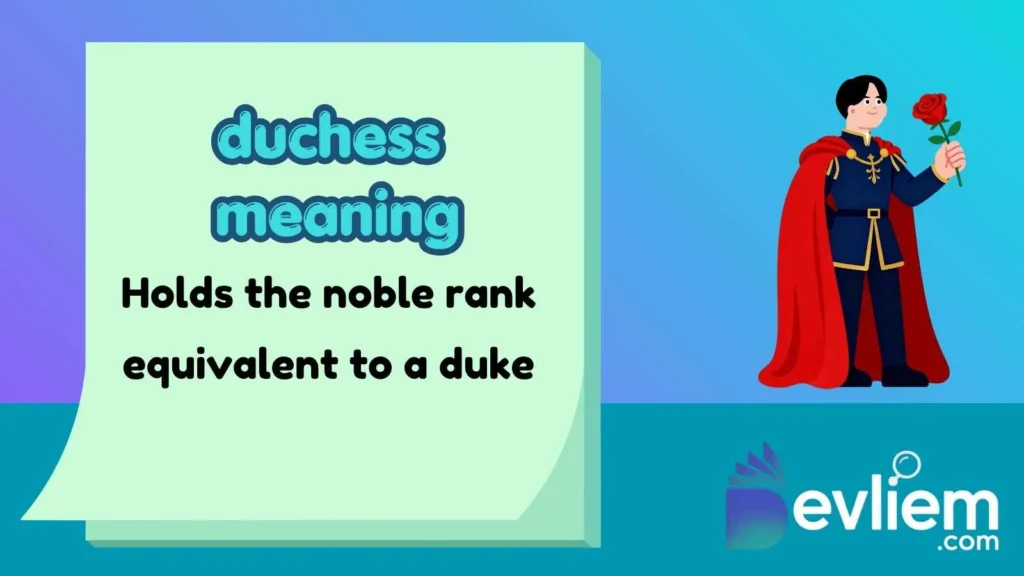
- Holds the noble rank equivalent to a duke
- Is married to a duke
Historically, it is one of the highest aristocratic titles below monarchs like kings and queens.
Quick Answer: A duchess is a high-ranking noblewoman, often linked to royalty, land, or aristocratic status.
Pronunciation
‘Duchess’ is pronounced DUH-chess.
Word Origin
The term comes from:
- Latin: ‘dux’ meaning ‘leader’
- French: duchesse
- English adoption during medieval nobility systems
It became common in European courts, especially in countries like the United Kingdom, France, Spain, and Italy.
How Meaning Has Evolved
Originally, ‘duchess’ strictly meant ‘noble rank’. Today, it can also mean:
- A stylish, graceful woman
- Someone acting elegant or superior
- A playful nickname for a confident woman
Language evolves fast. Titles often become personality labels.
How to Use “Duchess” Correctly in Texts & Chat
The word ‘duchess’ isn’t a common text abbreviation, but it appears in messages and social media.
Casual Use
People may say:
- “Okay, Duchess, we see you.”
- “She walked in like a duchess.”
- “Morning, duchess 👑”
This usually means elegance, confidence, or playful admiration.
Tone Types
Complimentary:
“You look like a duchess tonight.”
Teasing:
“Relax, Duchess. We’re only five minutes late.”
Sarcastic:
“Sure, Duchess, we’ll roll out the red carpet.”
Platform Usage
WhatsApp / SMS: Nicknames, jokes, compliments
Instagram: Captions about style or glamor
X / Twitter: Commentary on celebrities or royals
Discord: Humorous status nicknames
Reddit: Discussions about monarchy or pop culture
When NOT to Use It
Avoid calling someone ‘duchess’ if:
- They dislike nicknames
- The tone may sound mocking
- Formal workplace settings
- You’re unsure how it will land
Tone matters more than the word itself.
Real Conversation Examples Using “Duchess”
Between Friends
A: Wow, look at your outfit.
B: Thanks.
A: Total duchess vibes tonight!
Meaning: Stylish and graceful compliment.
Dating Scenario
A: Ready for dinner?
B: Five minutes.
A: Of course, Duchess.
Meaning: Light teasing with affection.
Family Chat
Mom: Who left dishes in the sink?
Daughter: Not me.
Brother: Sure, Duchess.
Meaning: Playful sarcasm.
Work Chat
Coworker: Big presentation today.
You: Time to enter like a duchess.
Meaning: Confidence and presence.
Gaming Group
Need heals!
One sec.
Move faster, Duchess!
Meaning: Friendly teasing.
Common Mistakes & Misunderstandings
1. Assuming Duchess Means Princess
Not the same thing.
A princess is usually born into or married into a royal family. A duchess is a noble rank and may or may not be royal.
2. Thinking It’s Always Formal
Not anymore.
Many people use ‘duchess’ jokingly in everyday speech.
3. Using It as an Insult Accidentally
Depending on tone, “duchess” can sound like the following:
- spoiled
- demanding
- snobbish
Use context carefully.
Generational Differences
Gen Z: More ironic or meme-based use
Millennials: Pop culture and celebrity references
Older generations: Traditional noble title meaning first
“Duchess” Across Different Platforms & Demographics
Gen Z Use
Often playful, ironic, and stylish.
Examples:
- “Main character duchess energy”
- “Serving duchess vibes.”
Millennials
Strong connection to celebrity culture and royal news.
Older Audiences
More likely to associate with history, etiquette, and nobility.
Trending Popularity
Modern interest surged due to media attention around figures such as Meghan Markle and other public royals.
Safe for Work?
Usually yes, if respectful. Avoid sarcastic use in professional communication.
Related Slang, Abbreviations & Alternatives
| Term | Meaning |
|---|---|
| Queen | Powerful or admired woman |
| Princess | Pampered or elegant woman |
| Diva | Glamorous, demanding, talented |
| Boss Lady | Successful confident woman |
| Icon | Highly admired person |
| Empress | Powerful feminine leader |
| Royalty | Someone treated importantly |
| Madam | A formal, respectful term |
| Lady | Polite, elegant term |
| Main Character | Attention-commanding vibe |
Learn more about the meaning of ‘queen’.
Learn more about Diva slang
Learn more about Main Character energy
Synonyms in Casual Language
- classy
- regal
- elegant
- powerful
- polished
Opposites
- messy
- chaotic
- ordinary
- clumsy
FAQs:
Is ‘duchess’ a royal title?
Sometimes. It is a noble title and may be connected to royalty depending on the family or country.
Can someone become a duchess by marriage?
Yes. Traditionally, marrying a duke could grant the title.
What is the male version of duchess?
The male equivalent is duke.
Is ‘duchess’ used as a compliment?
Yes. Many people use it to praise elegance, confidence, or sophistication.
Does ‘duchess’ have a slang meaning?
Yes. Online it can describe someone glamorous, dramatic, or acting important.
Duchess vs Other Royal Titles
| Title | Rank/Role |
|---|---|
| Queen | Monarch’s or king’s spouse |
| Princess | Royal family member |
| Duchess | High-ranking noblewoman |
| Countess | A lower noble rank than duchess |
| Lady | Broad noble/formal title |
Conclusion:
The modern duchess meaning goes far beyond dusty history books.
At its core, it means a female noble rank linked to a duke. But in modern speech, it can also mean stylish, confident, refined, or just a little dramatic.
So next time someone calls you duchess, c’duchess’,heck the tone. It might be praise… or playful sarcasm.
Drop your favourite royal-style’duchess’, nickname in the comments below!

Hi, I’m Cross Read, the Writer and Creator behind devliem.com, where words stop being confusing and start making sense.
I’ve always been curious about language, how a single word can mean different things depending on context, culture, or even a trend. That curiosity turned into devliem, a space where I break down meanings, decode slang, and simplify the kind of terms people search every day.