Ever looked at an old copper roof, weathered statue, or vintage coin and wondered why it turned green? That striking blue-green layer has a name: verdigris.
Understanding ‘verdigris’ meaning matters more than you might think. It appears in art, architecture, chemistry, design, antiques, and even everyday conversations about colour.
If you restore metal décor, buy vintage pieces, paint miniatures, or just love unusual words, this term pops up often.
The word also has a certain charm. It sounds elegant, slightly mysterious, and very specific. That makes it popular with writers, artists, and design enthusiasts.
In this updated 2026 guide, you’ll learn what verdigris means, where the word came from, how to pronounce it, where you see it in real life, and how to use it correctly in conversation or writing.
What Does “Verdigris” Mean?
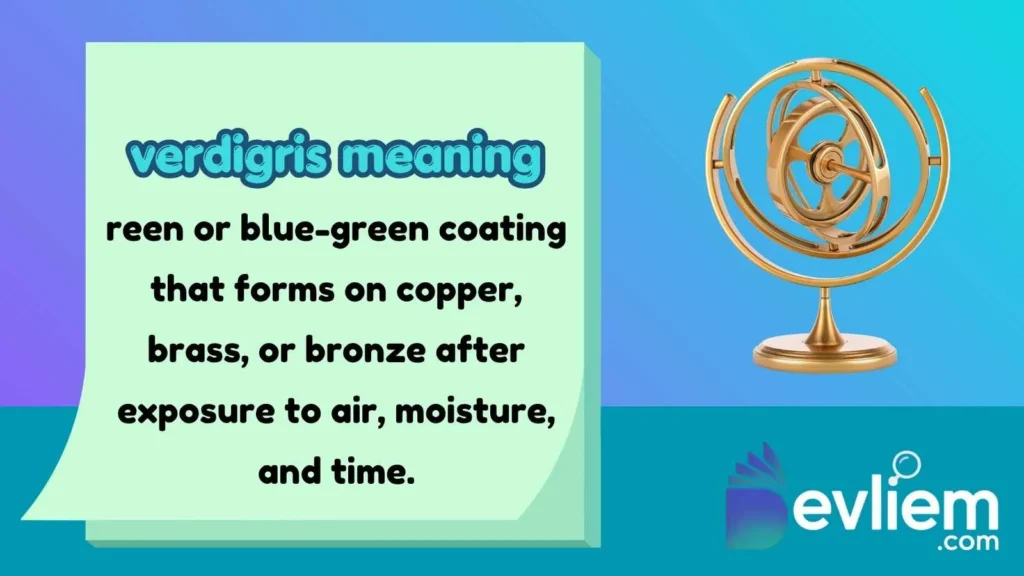
Quick Answer: Verdigris means the green or blue-green coating that forms on copper, brass, or bronze after exposure to air, moisture, and time.
It can also refer to the pigment historically made from that corrosion layer, prized by artists for centuries.
Origin of the Word
Verdigris comes from the Old French “vert-de-Grèce”, meaning “green of Greece”. Over time, pronunciation and spelling evolved into the modern English word verdigris.
How Meaning Evolved
Originally, the word described a pigment used in paintings and dyes. Today, it more commonly refers to the following:
- The patina on copper surfaces
- A specific blue-green color
- Decorative finishes in design and fashion
Pronunciation Guide
Common pronunciations:
- VER-duh-grees
- ver-DEE-gree
Both are widely accepted depending on region and accent.
How to Use “Verdigris” Correctly in Texts & Chat
Unlike slang terms, verdigris is a vocabulary word rather than an abbreviation. It’s used when describing colour, texture, oxidation, or vintage style.
Best Contexts to Use It
Casual Use:
“That lamp has a cool verdigris finish.”
Creative Use:
“The sky turned a soft verdigris near sunset.”
Technical Use:
“Clean the copper carefully without stripping the verdigris patina.”
Platform-Specific Usage
- Instagram: Popular in home décor, art, vintage captions
- Pinterest: Paint colors, furniture finishes, DIY restoration
- Reddit: Metalworking, antiques, restoration forums
- Discord: Hobby communities like mini painting or crafting
- X/Twitter: More niche, used by writers/designers
When NOT to Use It
Avoid using verdigris if your audience needs simpler language. Say “green copper coating” instead.
Formatting Tips
- Lowercase in normal writing: verdigris
- Capitalize only at sentence start
- Pair with emojis: 🟢🏛️🎨
Real Conversation Examples Using “Verdigris”
Between Friends
Alex: Why is your planter green now?
Maya: It’s copper. That’s natural verdigris.
Meaning: Explains oxidation casually.
In a Home Décor Chat
Sam: What colour should I paint the cabinet?
Lena: Try verdigris. It feels vintage but classy.
Meaning: Refers to the shade, not corrosion.
In an Art Studio
Teacher: This pigment mimics verdigris used in old paintings.
Meaning: Historical art reference.
In an Antique Store
Buyer: Should I polish this statue?
Seller: Many collectors prefer the verdigris untouched.
Meaning: Patina adds value or character.
In a Gaming Build Chat
Player 1: My castle roof texture looks bland.
Player 2: Add verdigris tones to make it aged.
Meaning: Used creatively for design realism.
Common Mistakes & Misunderstandings
1. Thinking Verdigris Means Dirt
Nope. It’s not grime. It’s a chemical reaction and often valued aesthetically.
2. Assuming It Only Means One Exact Color
Verdigris ranges from green to blue-green to turquoise.
3. Confusing It with Rust
Rust forms on iron or steel. Verdigris forms on copper, brass, or bronze.
Generational Confusion
- Younger audiences may know it as a paint shade.
- Older audiences may know it from antiques or roofing.
- Artists know it as a pigment term.
How to Clarify
Say, “Verdigris is the green patina you see on old copper.”
Simple and effective.
“Verdigris” Across Different Platforms & Demographics
Gen Z
Often encountered in:
- Cottagecore aesthetics
- Vintage room makeovers
- Moodboard color palettes
Millennials
Popular in:
- DIY furniture flips
- Interior design
- Thrifted décor
Older Generations
More likely linked to:
- Roofing
- Garden statues
- Copper cookware
Is It Formal or Informal?
Verdigris works in both formal and informal contexts. It’s safe for work, academic, and creative use.
Viral Popularity
The rise of vintage interiors and weathered European aesthetics on TikTok and Pinterest boosted interest in verdigris-inspired colours.
Related Slang, Abbreviations & Alternatives
| Term | Meaning |
|---|---|
| Patina | Surface aging on metal |
| Oxidation | Chemical reaction causing surface change |
| Turquoise | Blue-green color |
| Teal | Deep blue-green shade |
| Corrosion | Gradual metal breakdown |
| Tarnish | Dull layer on metal |
| Aged Copper | Decorative finish term |
| Seafoam | Soft green-blue shade |
| Antique Finish | Intentionally weathered look |
| Weathered Bronze | Decorative metal appearance |
Internal Link Ideas:
- Learn more about patina’s meaning
- Copper oxidation explained
- Teal vs turquoise color guide
FAQs:
What does verdigris mean in simple words?
Verdigris means the greenish coating that forms on copper metal over time. It can also describe that same blue-green colour.
Is verdigris a good thing or a bad thing?
It depends. On antiques or architecture, it’s often desirable. On cookware or food-contact items, it may need cleaning.
What causes verdigris?
Air, moisture, and pollutants react with copper or copper alloys, creating the green surface layer.
Is the Statue of Liberty covered in verdigris?
Yes. Its famous green appearance comes from copper oxidation that resembles verdigris patina.
Can verdigris be removed?
Yes. It can be cleaned with proper restoration methods, though removal may reduce antique value.
Conclusion:
‘Verdigris’ meaning is simple once you know it: the beautiful green-blue patina that forms on copper and related metals.
It’s more than corrosion. It’s history, character, colour, and design inspiration rolled into one elegant word.
Next time you spot an old statue, copper roof, or vintage lamp, you’ll know exactly what you’re looking at.
Drop your favourite unusual vocabulary word in the comments below and explore more language gems.

Hi, I’m Emily Taylor, the voice behind Devliem.com, where meanings aren’t just explained, they’re made easy to understand.
I’ve always been fascinated by words, the way they change, evolve, and sometimes confuse us more than they should. That curiosity turned into a mission: to break down complex meanings, trending slang, and everyday expressions into something clear, simple, and actually useful.